Yes, especially as an introduction to India.
Top Places to Visit
Delhi's heritage is a rich tapestry woven by the Tomars, Mughals, and the British. Today, the city's top tourist places showcase an architectural journey from mediaeval fortresses to modern spiritual sites.
The Imperial Legacy
- Red Fort : This UNESCO World Heritage site was the main home of the Mughal emperors for nearly 200 years. Its massive red sandstone walls surround a complex of palaces, marble halls, and beautiful gardens. It’s a must-see for anyone using a Delhi travel guide to understand the city’s royal history.
- Humayun’s Tomb : Built by the emperor’s wife, Bega Begum, in 1558, this garden-tomb shows remarkable Persian influences. The symmetrical Charbagh gardens and the grand dome create a peaceful atmosphere, especially striking during sunset.
- Qutb Minar : Rising to 73 metres, this five-storey tower boasts intricate carvings and Quranic verses. The nearby complex includes the Iron Pillar of Delhi, which has astonishingly resisted rust for over 1,600 years.
Spiritual Sanctuaries
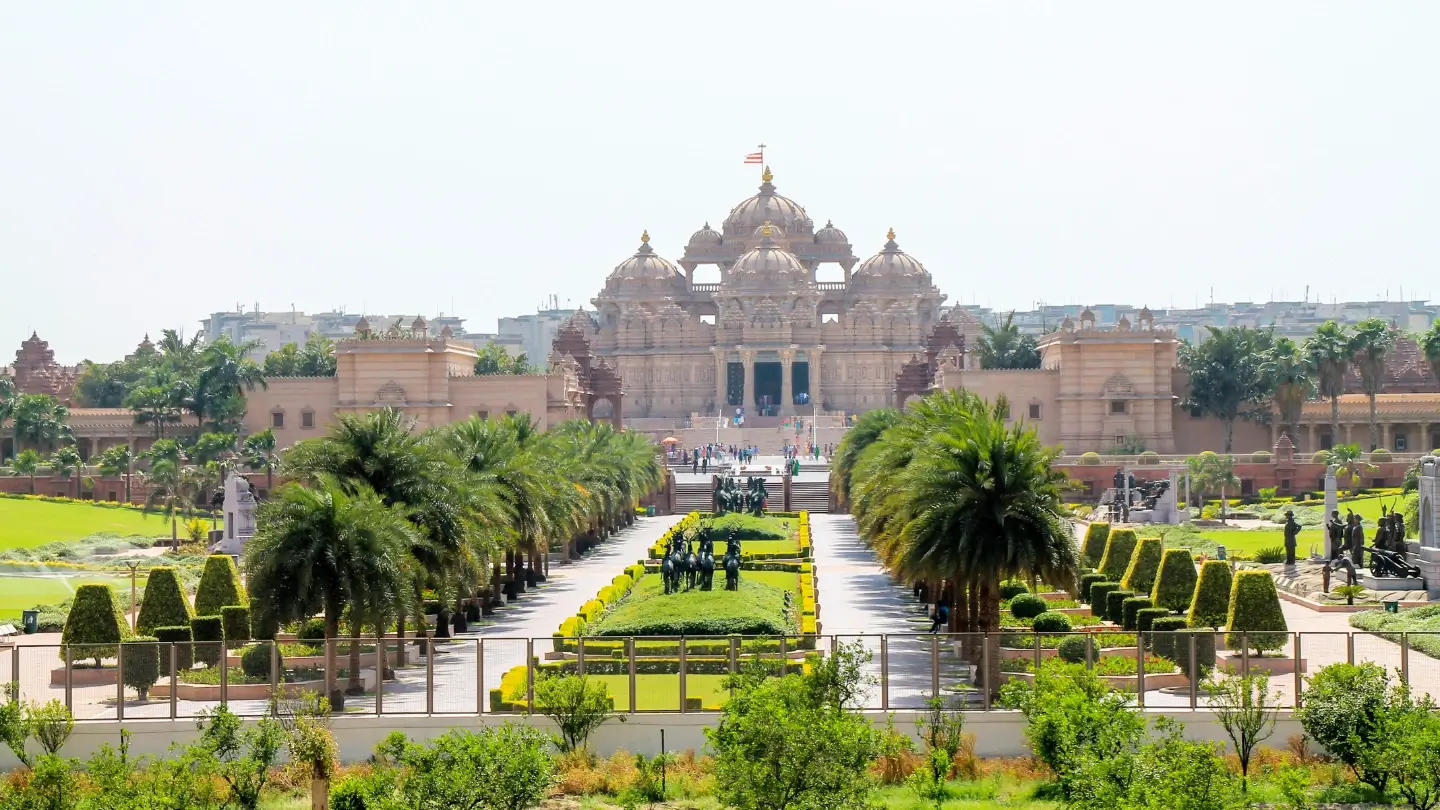
- Akshardham Temple : This large complex highlights thousands of years of traditional Hindu and Indian culture, spirituality, and design. The evening water show and boat ride through Indian history make it one of the best places to visit with family for cultural experiences.
- Jama Masjid : One of India’s largest mosques, it can accommodate 25,000 worshippers in its courtyard. Climbing the southern minaret offers a stunning view of Old Delhi's bustling streets, in sharp contrast to the mosque's tranquillity.
- Lotus Temple : Recognised for its flower-like design, this Bahá'í House of Worship welcomes everyone, regardless of religion. It offers a space for quiet meditation, surrounded by ponds and gardens that promote peace.
Museums & Intellectual Hubs
- National Rail Museum : This unique museum features an impressive collection of over 100 full-size exhibits on the history of Indian Railways. From the 'Fairy Queen' steam engine to royal carriages, it’s one of the most engaging places to visit in Delhi for children and adults.
- National Museum : Located on Janpath, this institution houses a remarkable collection spanning Harappan artefacts, Buddhist art, and Mughal miniatures. It offers an unmatched look into the 5,000-year history of the Indian subcontinent.
- Shankar’s International Dolls Museum : Home to one of the largest collections of costume dolls worldwide, this museum features displays from over 85 countries. It remains a nostalgic favourite for families visiting the city.
Modern Icons and Green Spaces
- India Gate : This 42-metre-high arch honours Indian soldiers. The area around it becomes a lively gathering spot in the evenings, making it popular among local families and visitors.
- Lodhi Gardens : This city park features the tombs of the Sayyid and Lodhi rulers. It’s a rare spot where historic monuments blend with a thriving botanical area, offering a green retreat for those seeking peaceful things to do in Delhi.
- Garden of Five Senses : Designed to engage all five senses, this 20-acre park features rock sculptures, fragrant herb gardens, and musical fountains. It’s a contemporary landmark that provides a refreshing break from the bustling city.
Top Things to Do
Culinary and Cultural Immersions
- Old Delhi Food Walk : Exploring the narrow lanes of Gali Paranthe Wali to try deep-fried flatbreads and rich desserts is a must for any foodie. This area captures the true taste of traditional Delhi.
- Shopping at Dilli Haat : This open-air market showcases crafts and food from artisans across India. It’s a great place to buy authentic textiles and local handicrafts.
- Sufi Nights at Nizamuddin Dargah : Attending the moving Qawwali performances on Thursday evenings offers a deeply cultural experience. The spiritual energy and heartfelt melodies reveal the city's mystical charm.
Urban Explorations
- Metro Rail Journey : Riding the Delhi Metro is the best way to get around the city. It provides a unique view of the urban landscape and easily connects most places to visit in Delhi.
- Evening at Connaught Place : Known as CP, this circular market features Georgian-style architecture. It’s perfect for shopping, dining, and enjoying the nightlife.
- Heritage Walk at Hauz Khas Village : Explore the 14th-century madrasa and the lake ruins, both situated next to trendy boutiques and art galleries. It’s an ideal spot to see where history meets modernity.
Nearby Attractions
- Sultanpur Bird Sanctuary (40 km) : This shallow lake is a haven for birdwatchers, drawing over 250 species of migratory birds during winter. It offers a refreshing escape from urban life into nature.
- Surajkund (20 km) : Famous for its ancient sun pool and the annual International Crafts Mela in February, this site highlights early mediaeval Haryana and serves as a centre for regional folk art.
- Neemrana Fort-Palace (120 km) : This stunning 15th-century heritage hotel sits on a hill. It offers a luxurious day-trip option for those wanting to experience Rajasthani hospitality and thrilling zip-lining.
- Kingdom of Dreams (30 km) : Located in Gurugram, this is India’s first live entertainment destination, featuring spectacular theatrical shows and a “Culture Gully” showcasing the arts and food from various Indian regions.
- Damdama Lake (45 km) : One of Haryana’s largest natural lakes, nestled in the Aravalli hills. It’s popular for adventure activities such as rock climbing, hot-air ballooning, and lakeside camping.
Things to Know Before You Go
- Delhi is spread out; plan areas by day (Old Delhi, Central Delhi, South Delhi)
- Traffic can significantly impact travel time
- The metro is the fastest and most reliable way to get around
- Air quality varies seasonally, especially in winter
- Some monuments are closed on specific weekdays
Best Time to Visit
- Winter (October to March) : This is the best time to visit Delhi. The weather is cool and pleasant, with temperatures ranging from 8°C to 25°C, perfect for outdoor visits to heritage sites.
- Summer (April to June) : Temperatures frequently exceed 40°C, making daytime sightseeing challenging. However, many indoor museums and air-conditioned malls stay busy.
- Monsoon (July to September) : The rain brings a fresh green look to the city’s parks, though humidity rises. It’s an excellent time for those who enjoy the rainy-season atmosphere.
How to Reach
- By Air : Indira Gandhi International Airport (IGI) is a major global gateway. It connects the capital to nearly every corner of the world and all key domestic cities, making it the most crucial arrival point for Delhi tourism. The Airport Express Metro line offers a quick 20-minute trip to the city centre.
- By Train : Delhi is the headquarters of the Northern Railway. Major stations such as New Delhi (NDLS), Old Delhi (DLI), and Hazrat Nizamuddin (NZM) handle hundreds of trains daily, including the high-speed Rajdhani and Shatabdi Express.
- By Road : The city is well connected by a network of expressways and national highways. Interstate Bus Terminals (ISBTs) at Kashmiri Gate, Sarai Kale Khan, and Anand Vihar make it easy to travel to nearby states such as Rajasthan, Punjab, and Uttar Pradesh.
Local Transport
The Delhi Metro is the most reliable way to get around. For shorter distances, auto-rickshaws and app-based cabs are everywhere. Walking is the best way to see the heritage areas of Old Delhi and Lodhi Colony.
Why Delhi Deserves a Place on Every India Itinerary?
Delhi is not just another city on the map; it is the point where most journeys through India begin and take shape. It offers a rare combination of history, food, culture, and modern city life within a single destination, making it one of the most important stops for understanding the country.
From the Mughal grandeur of the Red Fort and Humayun’s Tomb to the colonial avenues of Lutyens’ Delhi and the energy of markets like Chandni Chowk, the city presents multiple layers of India in one place. It allows travellers to experience contrasts early in their journey, before moving on to more focused destinations.
Delhi works best as the starting point of routes like the Golden Triangle and as a connector to regions such as Rajasthan, Uttarakhand, and Central India, including Kanha National Park. Its connectivity and variety make it both practical and essential in most itineraries.
Plan at least two to three days to explore Delhi properly, allowing time for its major landmarks, food experiences, and neighbourhood-level exploration.






 Wildlife Tours
 Trekking Tours
 Religious Tours
 Heritage Tours
 Beach Tours
 Train Tours
 Yoga & Ayurveda Tours
 Festival Tours