10 Best Places to Visit in India: Chosen for How India is Best Experienced
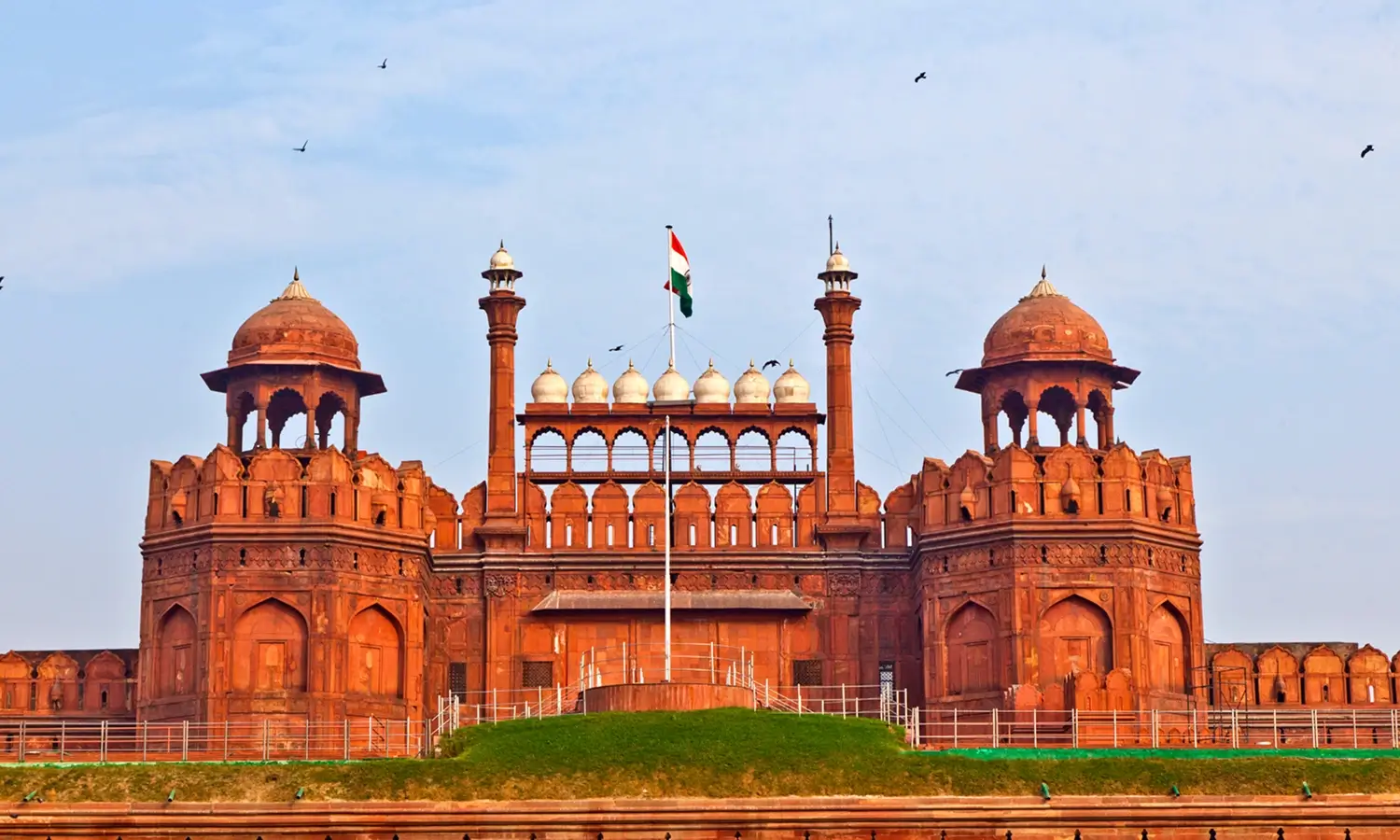
India is not a country you merely cover. It’s a country you enter slowly, absorb in layers, and understand through contrast. Travelers who try to see everything often leave overwhelmed and exhausted by distances, crowds, and constant stimulation. Travelers who choose well leave with something rarer: clarity, conversations, meals, landscapes, and moments of stillness.
This list is not about India’s most famous attractions. It’s about where the country reveals itself most honestly through rhythm, culture, geography, and daily life.
How We Chose These Places to Visit in India
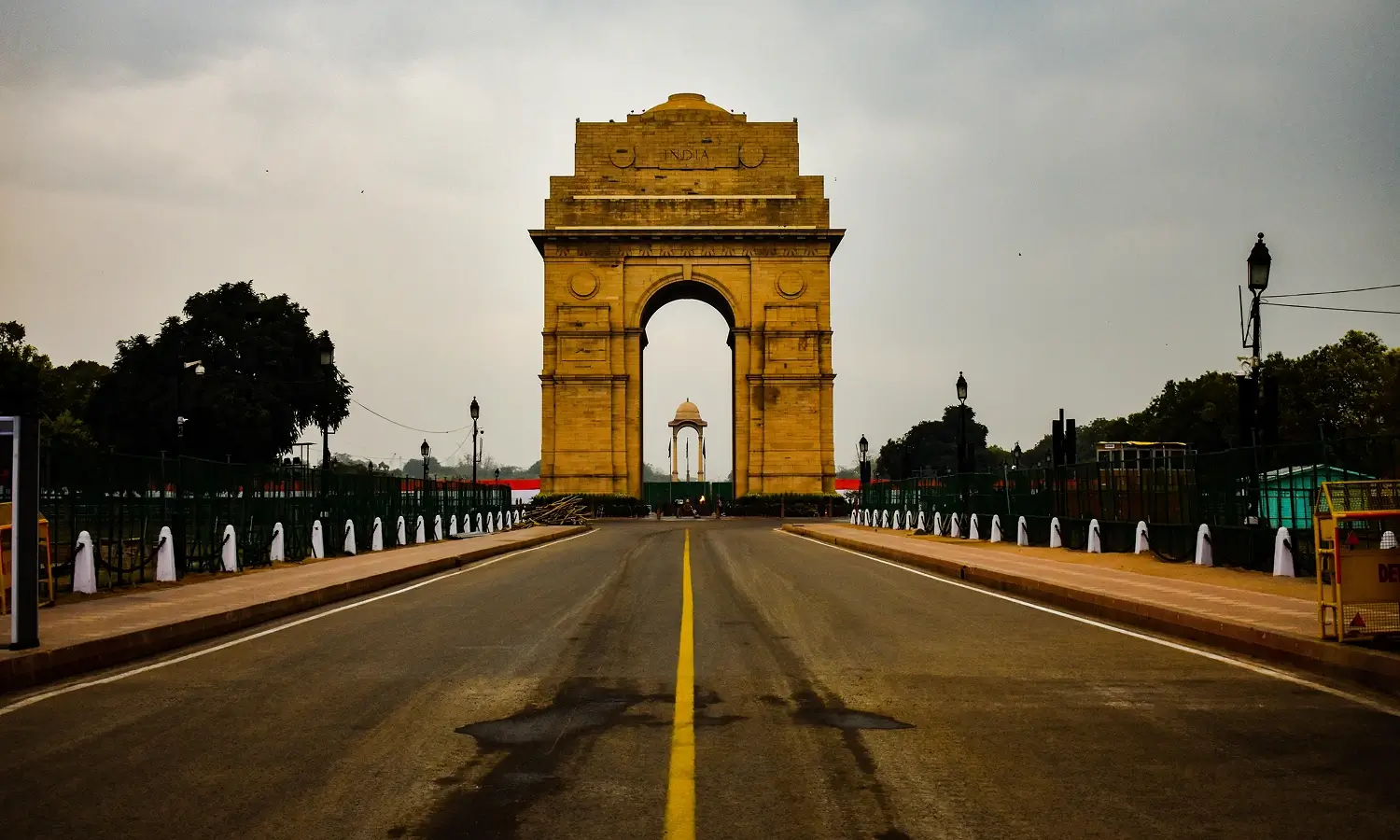
This list is guided by experience, not popularity alone. Think of this not as a checklist, but as a well-composed journey.
Each destination here:
- Reveals a distinct side of India, not a repetition of the same experience
- Can be experienced meaningfully without rushing
- Has strong cultural identity beyond sightseeing
- Is logistically realistic for real travelers
- Contributes to a balanced emotional journey: intensity, pause, contrast, and flow
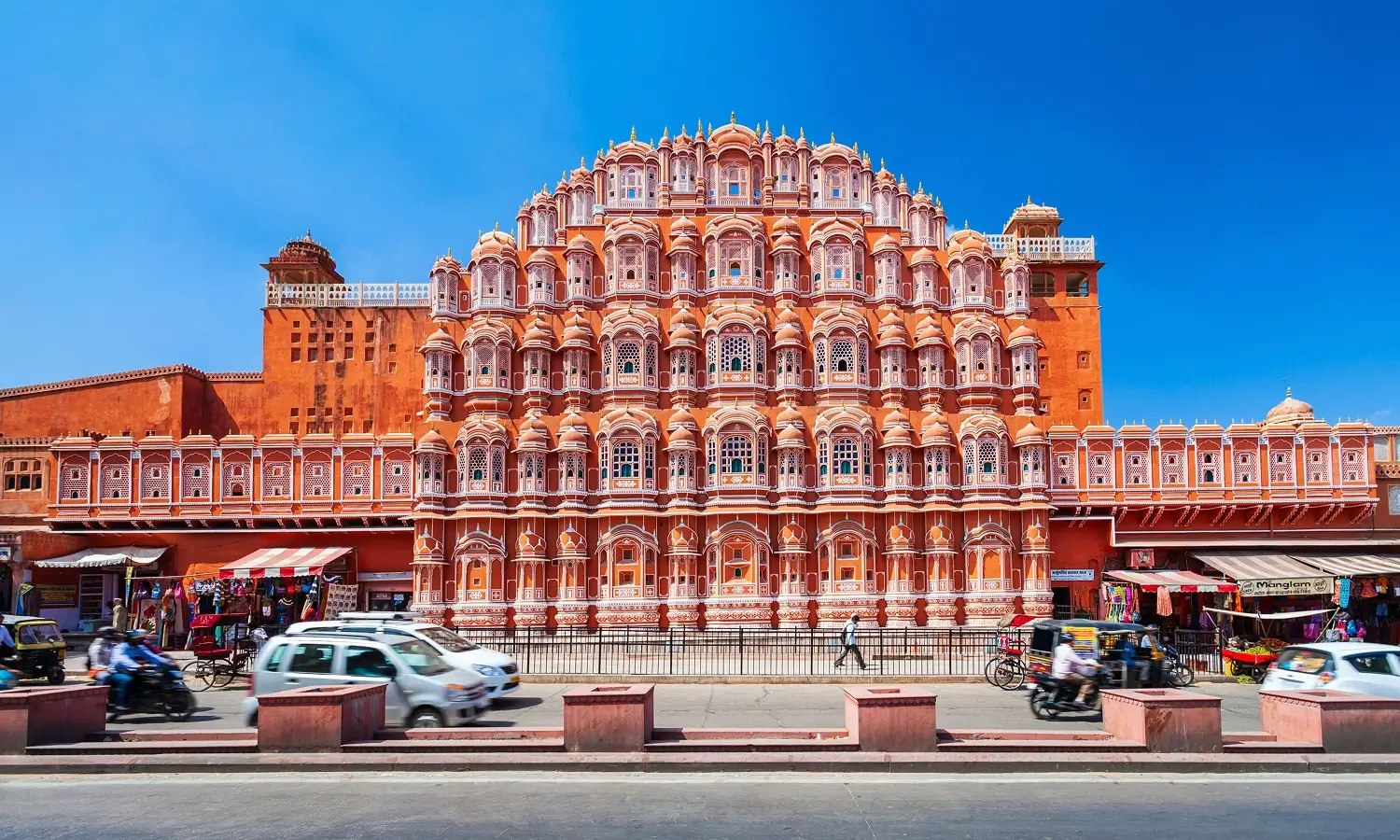
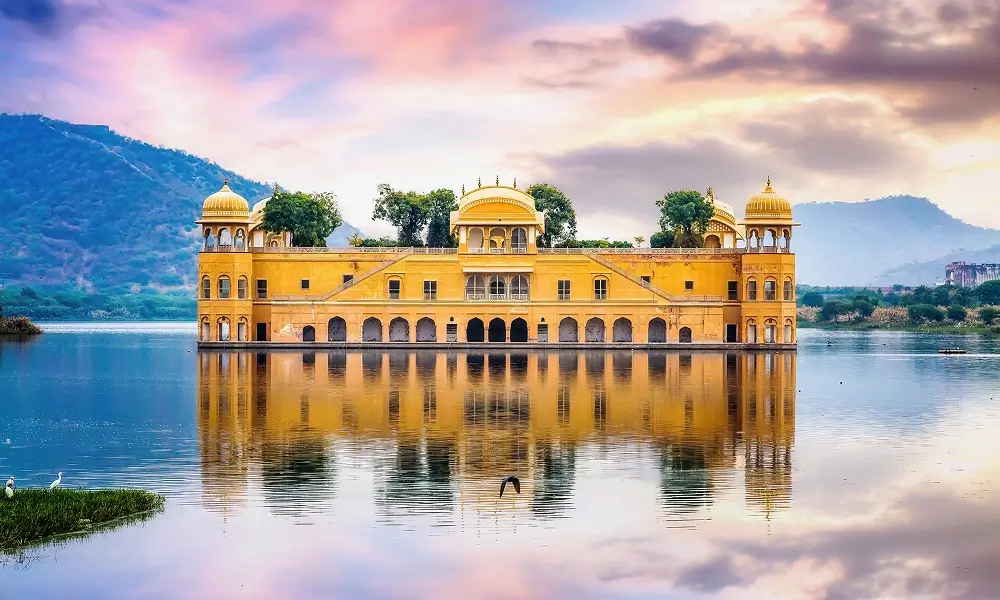
1. Jaipur, Rajasthan: Where India Introduces Itself with Order and Grandeur
How India Is Experienced Here
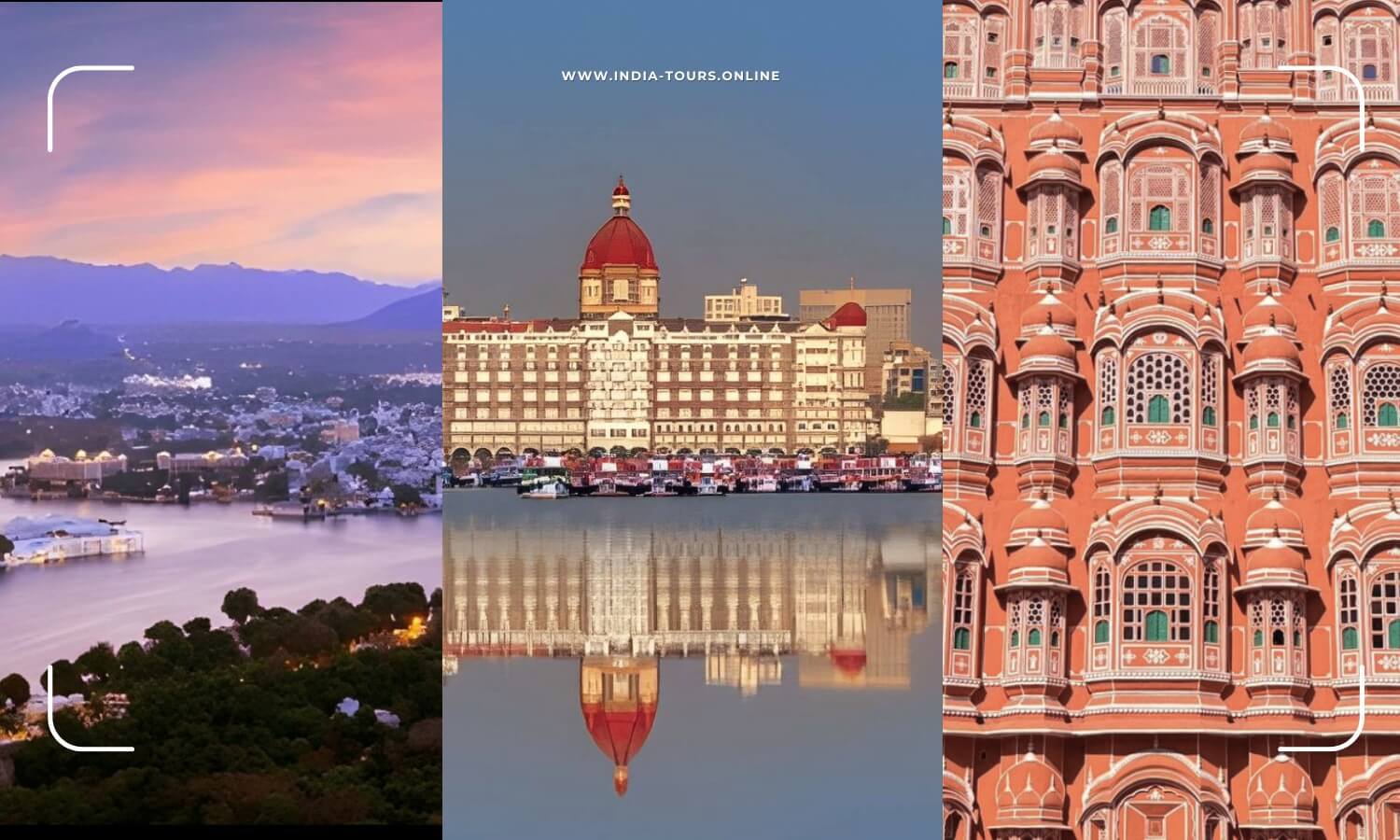
Jaipur offers structure: wide streets, symmetrical architecture, and a sense of design that makes India feel approachable on first contact. It’s where history is grand but not intimidating, and daily life continues inside palaces, bazaars, and old neighborhoods.
Best For
First-time visitors, heritage lovers, architecture enthusiasts, and travelers who enjoy color and craft.
Good to Know Before You Go
Jaipur can feel overwhelming if forts are rushed back-to-back. Midday crowds can be overwhelming, especially in peak season.
How to Experience It Well
- Limit yourself to one fort per day. Spend evenings walking the old city or dining at a heritage haveli. Jaipur reveals itself best after sunset, when the pace softens and the city breathes.
- It is best experienced as a 3-day anchor, utilizing the Delhi-Mumbai Expressway to cut travel time from the capital by 50% (4 hr).
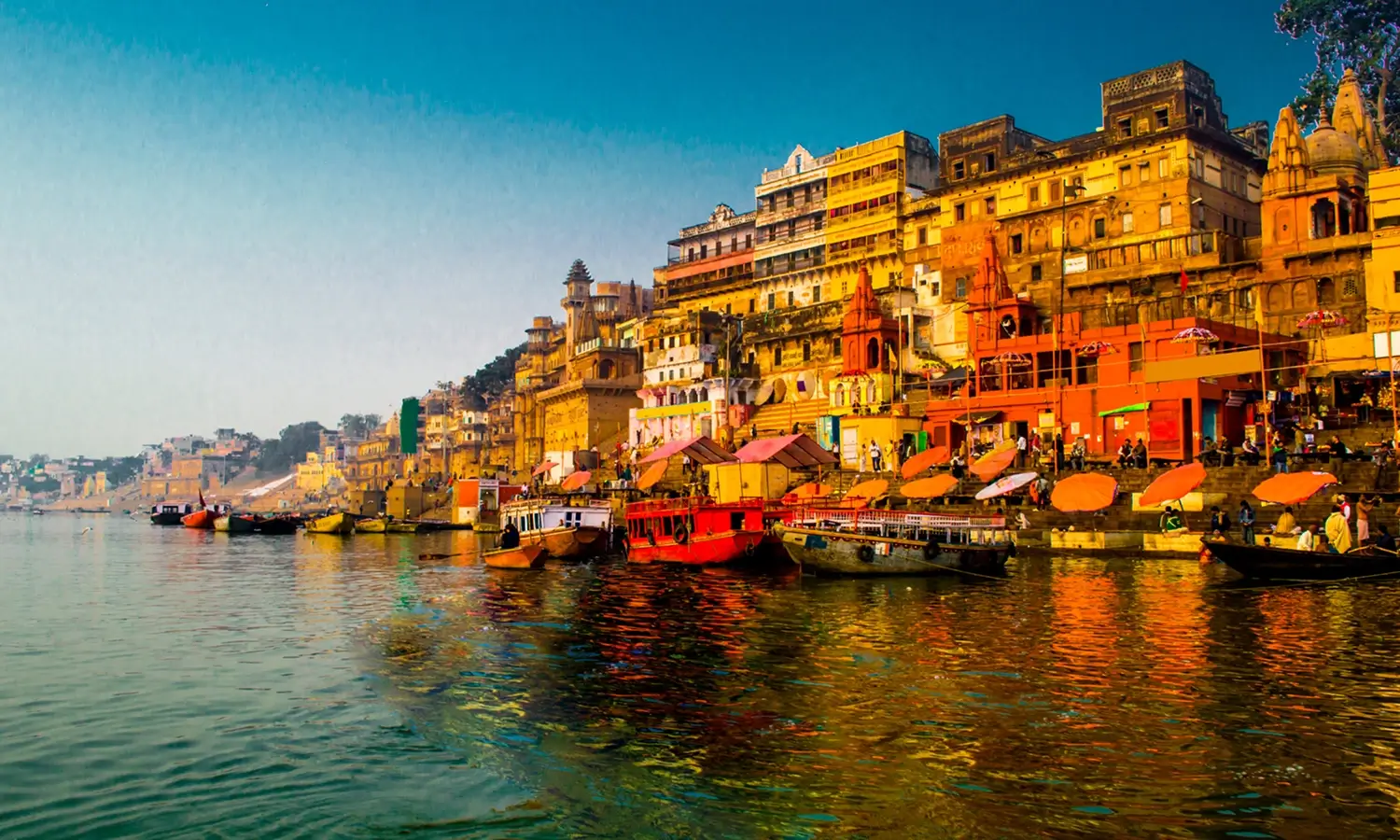
2. Varanasi, Uttar Pradesh: Where India Confronts You and Teaches You to Let Go
How India Is Experienced Here
Varanasi is now part of the "Holy Triangle" (with Ayodhya and Prayagraj), and it reveals India at its most unfiltered. Days begin before sunrise with boats gliding silently across the Ganga, while smoke from funeral pyres rises steadily along the ghats. Life, death, commerce, devotion, and chaos coexist without separation: shopkeepers pray, pilgrims bathe, and mourners grieve, all within the same narrow stretch of riverfront. This is India experienced not as comfort, but as truth, confronting, overwhelming, and deeply human.
Best For
Travelers open to intensity, spiritual seekers, photographers, and those willing to be uncomfortable.
Good to Know Before You Go
Varanasi is noisy, crowded, and emotionally charged. It’s not restful, and it’s not meant to be.
How to Experience It Well
Stay near Assi Ghat, start mornings with a boat ride, and walk without an agenda. Don’t try to “understand” Varanasi in two days. Just observe; that’s enough.
2026 Update :
- The newly operational Varanasi Ropeway (the first of its kind in an Indian city) now transports up to 96,000 passengers daily, allowing travelers to skip the chaotic traffic of Godowlia.
- For high-end travelers, Avantika by the Ganges (opening 2026) offers a new level of mindful luxury near the river.
3. Goa: Where India Slows Down and Exhales

How India Is Experienced Here
Goa allows travelers to experience India without urgency. Mornings stretch into afternoons, meals are unhurried, and days revolve around tides rather than timetables. The influence of the sea and colonial history softens daily life; conversations linger, routines slow, and personal space feels respected. This is where India feels most relaxed, offering a counterpoint to the country’s otherwise high-intensity rhythm.
Best For
Beach lovers, slow travelers, wellness seekers, and food-focused travelers.
Good to Know Before You Go
North Goa and South Goa are entirely different experiences. Choosing the wrong base can distort your trip.
How to Experience It Well
Choose one region only. Stay close to the beach you like, eat locally, and avoid trying to “cover” Goa. Its charm lies in staying put.
2026 Update : Expect the rollout of high-speed internet and government-backed coworking spaces directly on the beaches of Morjim and Ashwem by early 2026.
4. Ladakh: Where Silence Becomes the Experience
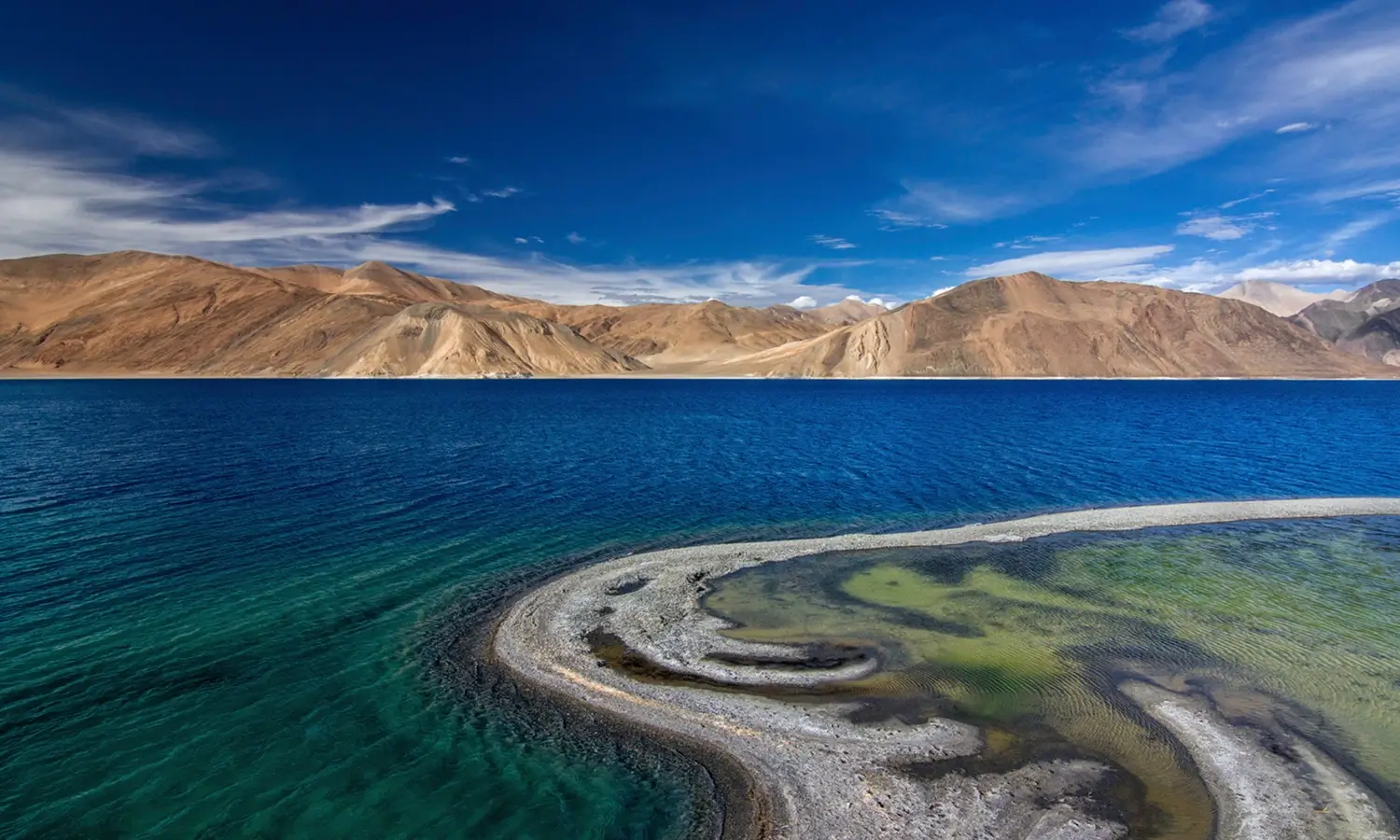
How India Is Experienced Here
Ladakh strips travel down to space and silence. Vast landscapes dwarf human presence, monasteries operate on ancient rhythms, and even movement feels deliberate at high altitude. Days are shaped by light, weather, and breath, forcing travelers to slow physically and mentally. This is India experienced through restraint, where absence of noise becomes the defining feature.
Best For
Nature lovers, cultural explorers, photographers, and travelers comfortable with isolation.
Good to Know Before You Go
- Altitude affects everyone. No exceptions, therefore come prepared.
- With Ladakh moving toward a Global Sustainable Tourism model, travelers are encouraged to visit the new "vibrant border villages" through the Parvatmala ropeway initiatives.
How to Experience It Well
Acclimatize for at least 48 hours in Leh. Keep your itinerary light. The fewer places you chase, the more Ladakh gives back.
2026 Update : The Z-Morh (Sonamarg) Tunnel is now fully operational, providing a safer, all-weather link to Leh from Srinagar.
5. Kerala (Backwaters & Hill Stations): Where India Teaches You to Slow Down
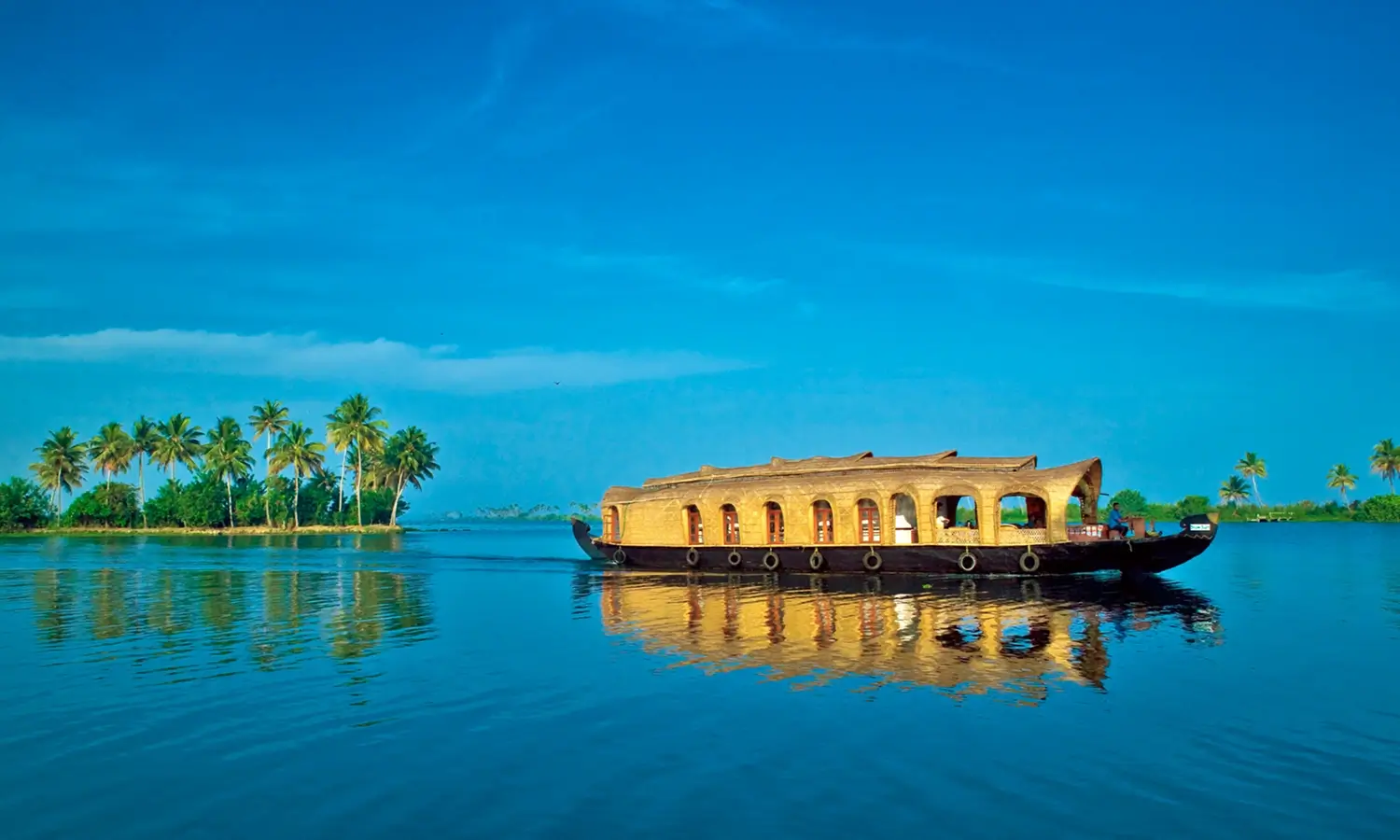
How India Is Experienced Here
Kerala introduces India at its most unhurried. Days are shaped by water levels, rainfall, and meals taken slowly rather than schedules. Life unfolds in house courtyards, along canals, and across tea-covered hills where movement feels optional, not compulsory. This is where travelers realize that India is not always loud or demanding; it can also be deeply restorative.
Best For
Couples, families, wellness travelers, and first-time India visitors seeking calm.
Good to Know Before You Go
Private houseboats aren’t always the most responsible or comfortable option.
How to Experience It Well
Opt for day cruises, stay in small homestays, and combine backwaters with hill stations for contrast.
Tip : Focus on village tourism in places like Kumbalangi, which offers an authentic look at backwater life without the commercial polish of major ports.
6. Mumbai, Maharashtra: Where Modern India Reveals Its Pulse
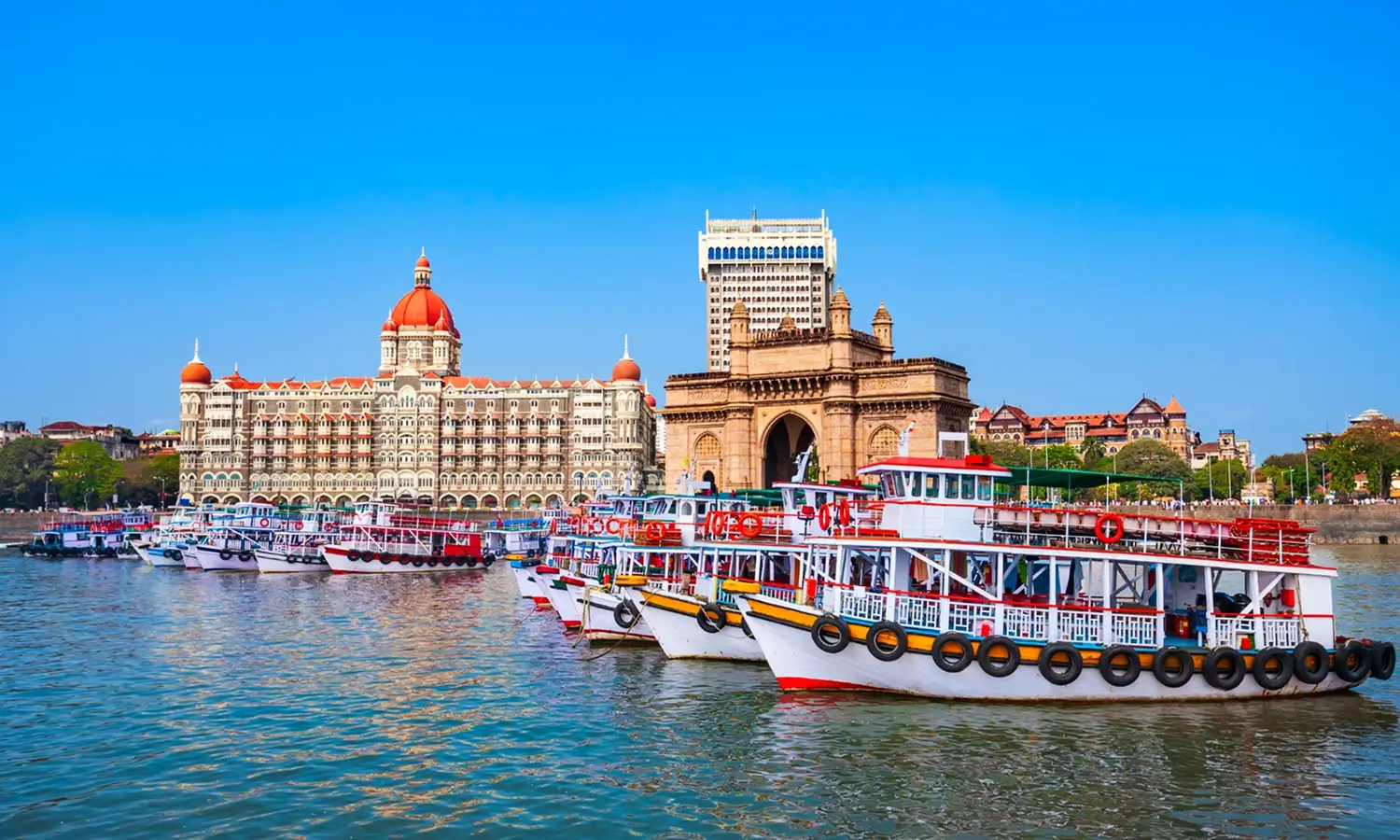
How India Is Experienced Here
Mumbai reveals India’s forward momentum. The city moves fast, but not coldly; local trains, street food counters, and shared spaces force interaction and coexistence. It is where traditional "Dabbawalas" operate in the shadow of global financial towers. Wealth and struggle sit side by side without apology, creating a city that feels brutally honest yet unexpectedly generous. This is where India’s ambition, resilience, and adaptability are most visible.
Best For
Urban explorers, food lovers, and culture-focused travelers.
Good to Know Before You Go
- Traffic dictates the day. Planning geographically matters more here than anywhere else.
- The Coastal Road Phase 1 and the Atal Setu (MTHL) have transformed the city. You can now transit from South Mumbai to the suburbs or the new Navi Mumbai International Airport in under 30 minutes, a journey that once took two hours.
How to Experience It Well
Base yourself centrally, explore neighborhoods rather than landmarks, and eat where locals queue.
7. Rishikesh, Uttarakhand: Where India Seeks Balance
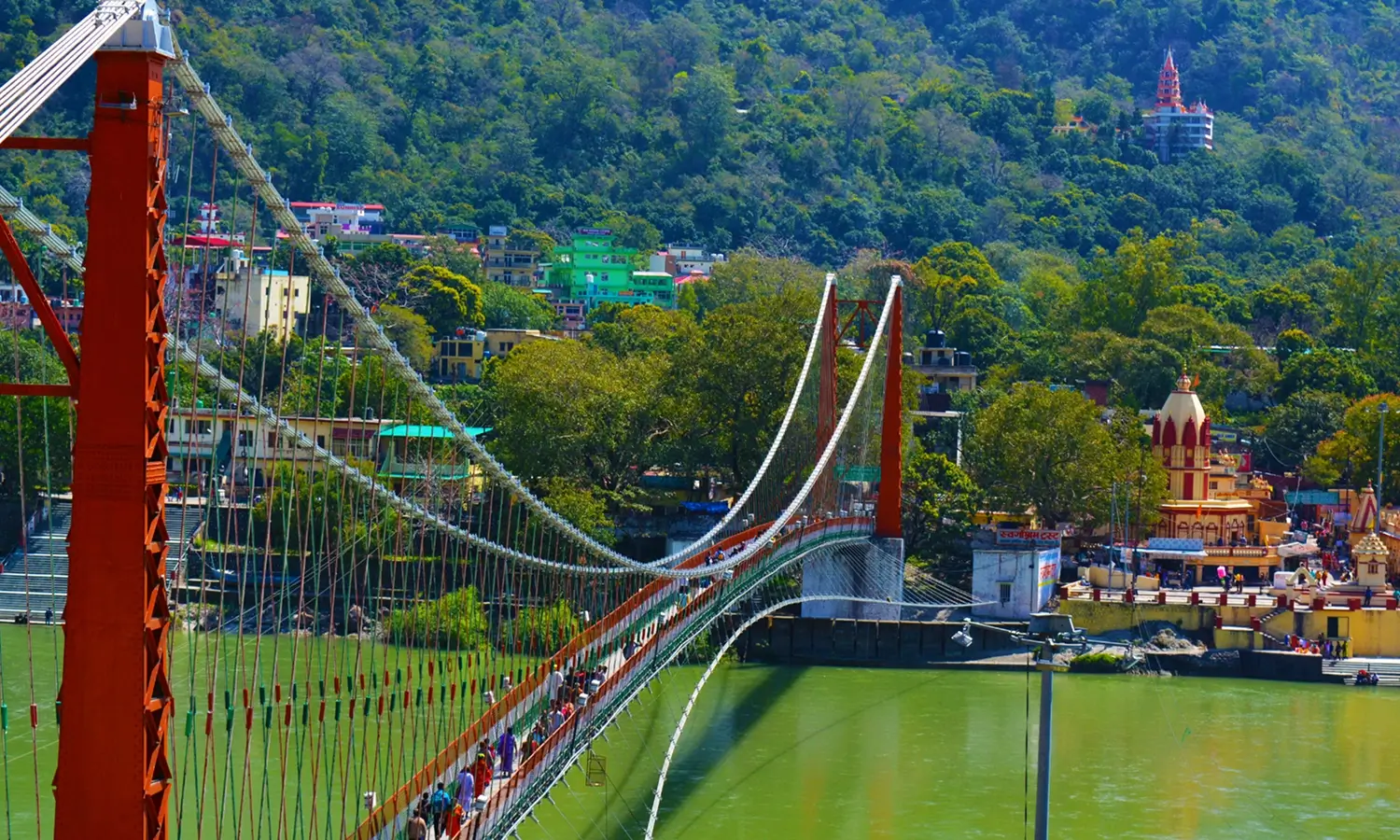
How India Is Experienced Here
Rishikesh shows India’s instinct for balance. Mornings are quiet, marked by yoga mats and river mist; afternoons bring conversation, movement, and reflection. Spirituality here is not theatrical; it’s woven into daily routine. This is India at a gentler frequency, where inward travel matters as much as outward exploration.
Best For
Yoga practitioners, solo travelers, and gentle adventure seekers.
Good to Know Before You Go
- This is a vegetarian, alcohol-free town, intentionally so.
- New heli-services and the continued expansion of the Char Dham railway link have significantly improved access to higher, more remote retreats above the main city.
How to Experience It Well
Slow mornings, evening aartis, and time in ashrams matter more than ticking off activities.
8. Kolkata, West Bengal: Where India Thinks, Writes, and Remembers
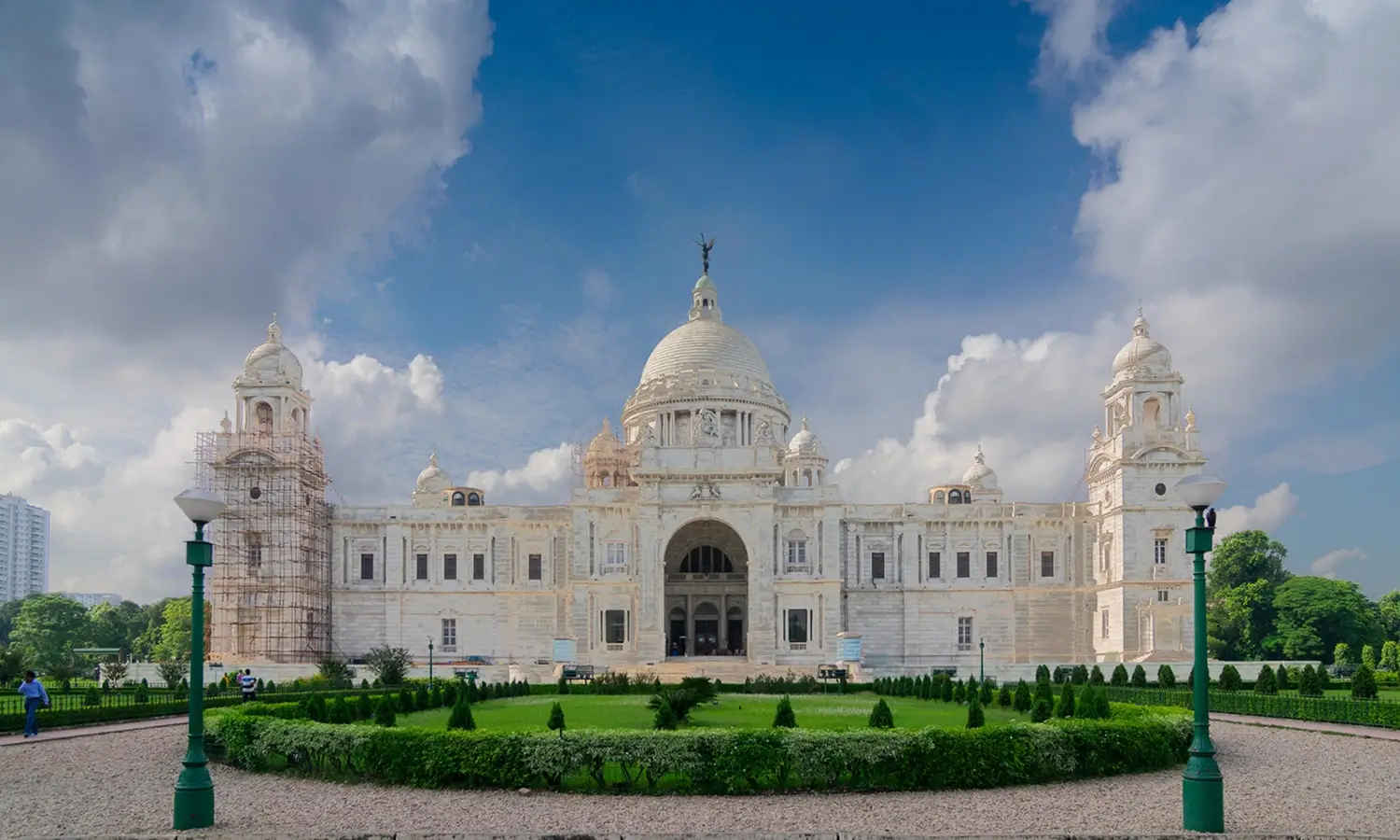
How India Is Experienced Here
Kolkata experiences India through memory and intellect. The city values conversation over spectacle and reflection over speed. Old buildings, bookshops, and coffee houses act as extensions of thought rather than attractions. This is where India’s emotional depth and cultural self-awareness feel most pronounced.
Best For
Culture lovers, literature enthusiasts, and travelers interested in colonial and intellectual history.
Good to Know Before You Go
- The city isn’t polished, but it’s deeply soulful.
- The East-West Metro, featuring India’s first underwater river tunnel, provides seamless transit under the Hooghly River, connecting the historic Howrah station to the tech hub of Salt Lake.
How to Experience It Well
- Walk neighborhoods, linger in cafés, and let the city unfold through people, not monuments.
- Spend an afternoon at the Indian Coffee House on College Street. It remains the geographic center of Kolkata's intellectual life, where students and thinkers have debated for decades.
9. Agra, Uttar Pradesh: Where India Shows Love Through Architecture
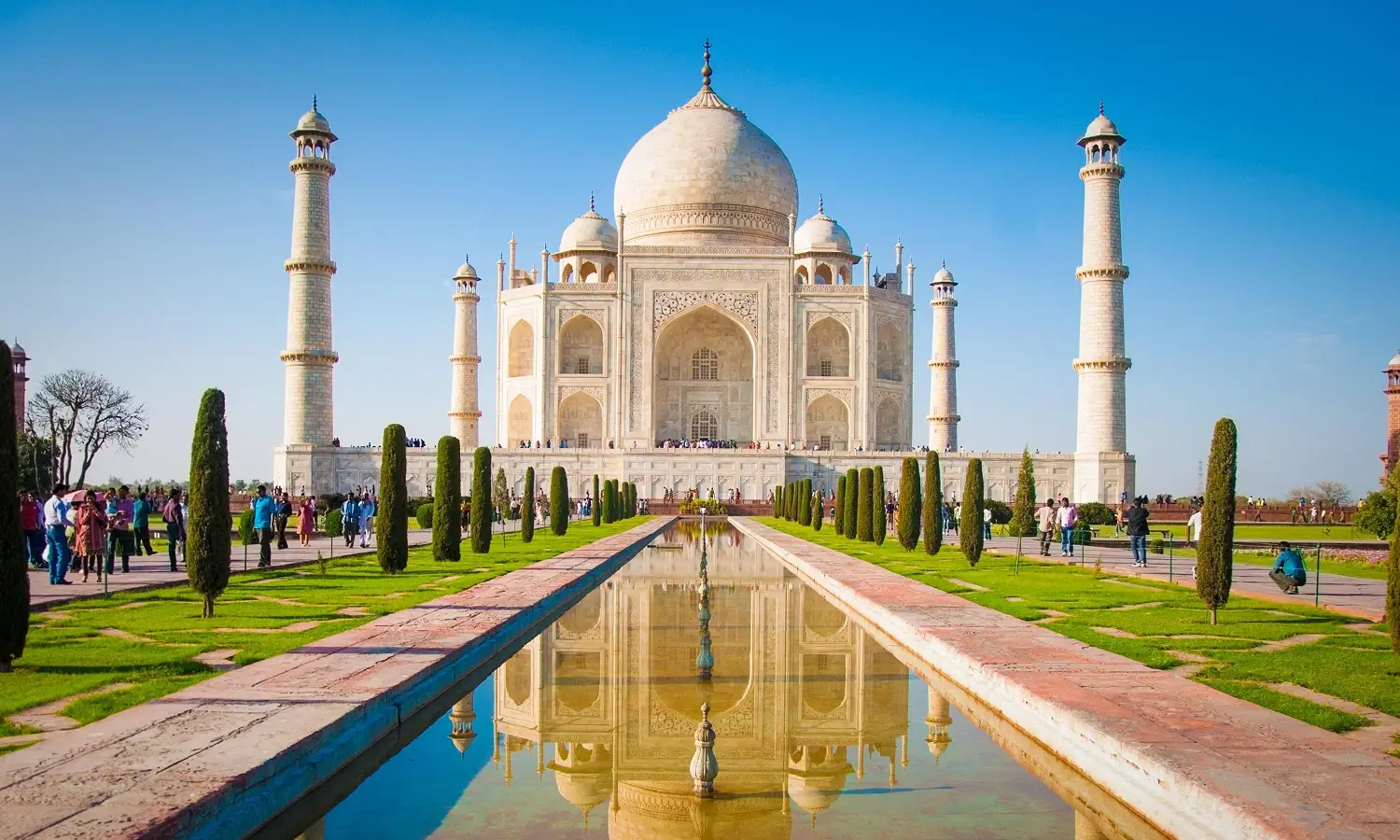
How India Is Experienced Here
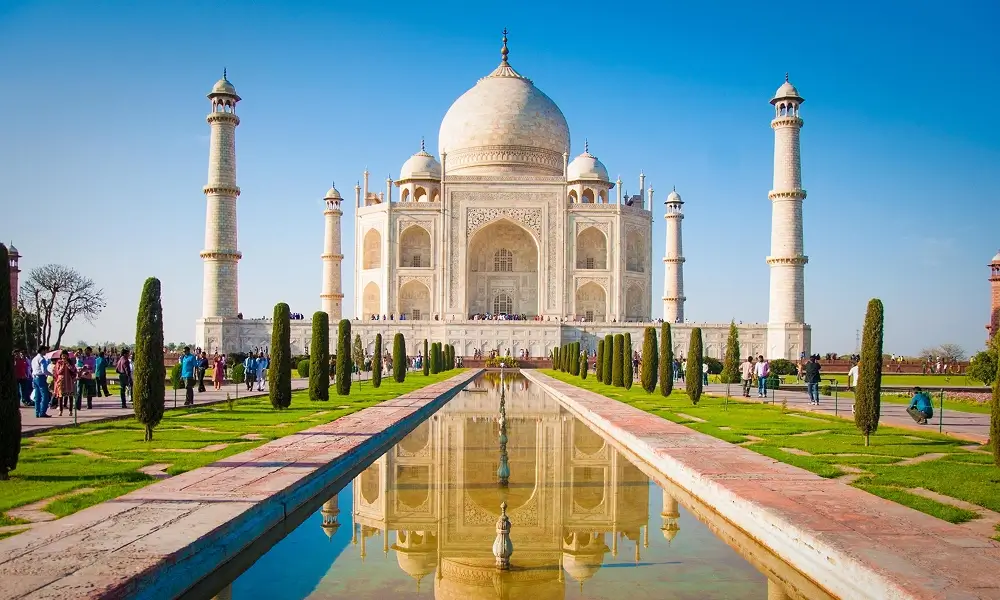
Agra distils India into a single, focused emotion and devotion expressed through design. The Taj Mahal is not just a monument but a carefully choreographed experience of symmetry, silence, and light. India here feels deliberate and restrained, reminding travelers that grandeur can also be quiet and precise.
Best For
First-time visitors, history lovers.
Good to Know Before You Go
- Agra is best experienced briefly, not deeply.
- The Agra-Gwalior Greenfield Expressway now connects to the broader Delhi-Mumbai network, making the transit from Delhi or even Gwalior (now just 4 hours away) seamless for luxury travelers.
How to Experience It Well
- Don't just see the Taj; visit the Itmad-ud-Daulah (the "Baby Taj") at sunset for a more intimate look at the Persian-influenced marble inlay work that preceded the Great Monument.
- Pair Agra with Jaipur or Delhi, not as a standalone stop.
10. Meghalaya: Where India Feels Untouched
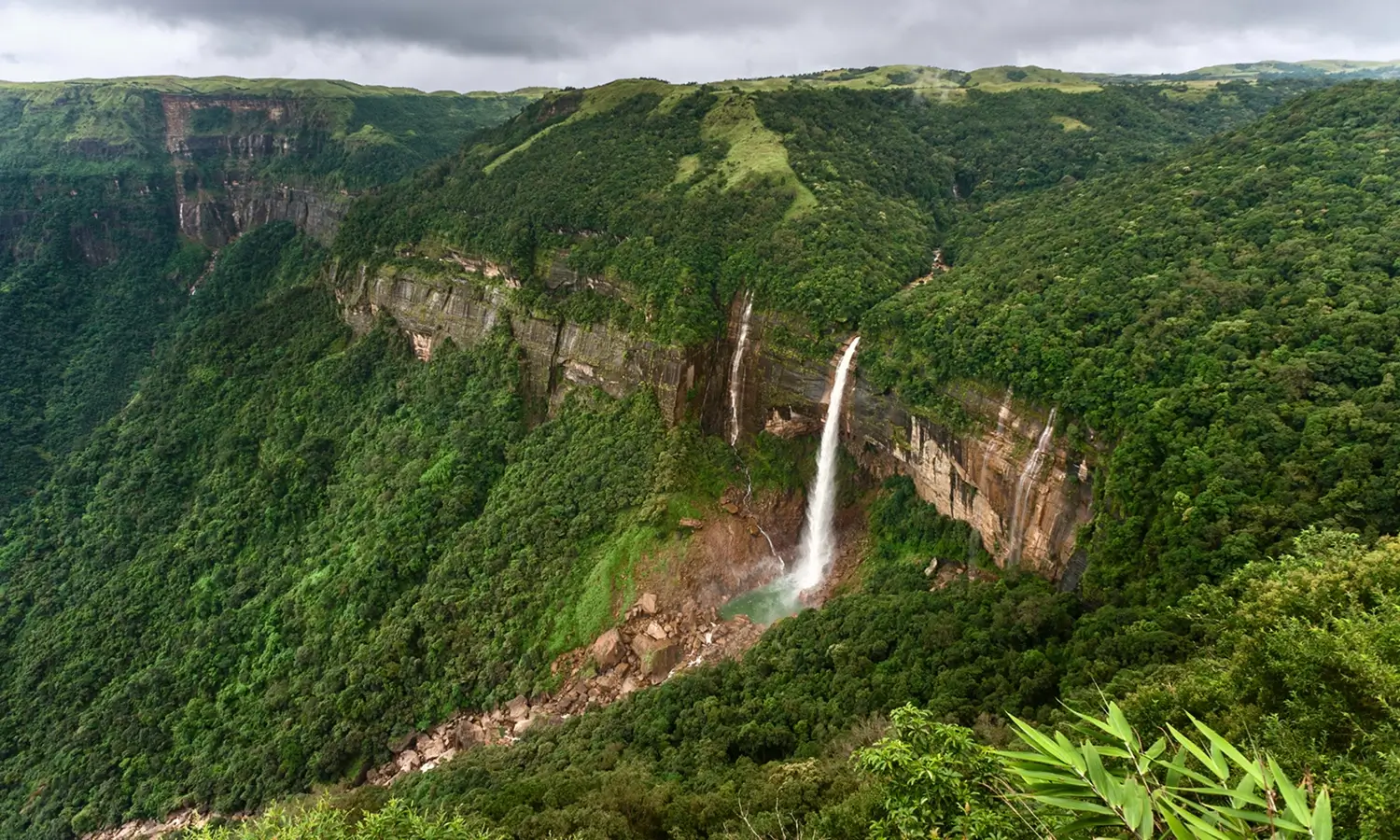
How India Is Experienced Here
Meghalaya presents India in its most organic form. Villages are shaped by rainfall, forests, and community rhythm rather than urgency. Days adapt to weather, paths curve with terrain, and patience replaces planning. This is India experienced through cooperation with nature, not control over it.
Best For
Nature lovers, slow travelers, and those seeking something different.
Good to Know Before You Go
- New eco-lodges & Mawkdok skywalk.
- Direct flights from Bengaluru and Delhi to Umroi Airport have removed the long drive from Guwahati for most luxury travelers.
How to Experience It Well
- Travel with patience, stay locally, and allow weather to shape the day, not the other way around.
- Beyond the Living Root Bridges, look toward the Mawmluh Cave Experiential Centre and the Shillong Ropeway for a deeper look at the state’s karst landscapes.
How to Build Your India Journey Around These Places
- 10 days : Choose 2 regions only
- 2 weeks : Add contrast, not quantity
- 3 weeks+ : Mix pace, geography, and culture deliberately
India rewards travelers who choose fewer places and experience them deeply.
When destinations are chosen with intention, India unfolds with clarity, warmth, and meaning. We offer journeys in India that are designed around pace, geography, and experience, not just famous names. If you want India to feel expansive rather than exhausting, planning matters, and choosing well makes all the difference.




 Wildlife Tours
 Trekking Tours
 Religious Tours
 Heritage Tours
 Beach Tours
 Train Tours
 Yoga & Ayurveda Tours
 Festival Tours