Wildlife Trips: 10 Best Destinations to Explore in India for an Amazing Jungle Experience
India is one of the world’s richest wildlife treasures, home to everything from royal Bengal tigers and Asiatic lions to rare one-horned rhinos and vibrant tropical birds. Few countries offer this level of diversity: ancient forests, high mountain ranges, deep jungles, deserts, wetlands, and coastlines all packed into one incredible land. Every region feels like a different world, and every world is alive with its own wild stories.
India’s wildlife destinations range from dense tiger reserves and grassland rhino habitats to bird-rich wetlands and lion country. This list focuses on parks that consistently deliver strong wildlife sightings, diverse ecosystems, and well-managed safari experiences.
Exploring India’s wildlife is not just a trip; it’s an adventure filled with raw beauty, powerful creatures, and unforgettable landscapes. You might hear a tiger’s distant call, watch elephants bathe in slow rivers, or spot leopards moving like shadows through the trees. Each destination has its own rhythm, peaceful, thrilling, and magical in its own way.
To help you experience the very best of this wild paradise, here are the 10 best destinations in India for a wildlife holiday. Get ready for real adventure, close encounters with nature, and moments that stay with you forever.
Best Wildlife Destinations in India at a Glance
- Best for Tigers: Bandhavgarh, Kanha, Ranthambore
- Best for One-Horned Rhinos: Kaziranga
- Best for Asiatic Lions: Gir
- Best for Birdwatching: Kaziranga, Periyar, Nagarhole
- Best Near Major Cities: Jim Corbett (Delhi), Bannerghatta (Bangalore), Sanjay Gandhi (Mumbai)
1. Jim Corbett National Park

Jim Corbett National Park, in Uttarakhand, is India’s first national park and one of the most established safari landscapes in North India. It’s home to Bengal tigers, elephants, leopards, and hundreds of bird species. The park has dense forests, rivers, and beautiful landscapes that make every visit unforgettable. Jeep safaris and nature walks let you get close to the wild in a safe way.
Top Attractions:
- Dhikala Zone: famous for tiger sightings and scenic landscapes.
- Jim Corbett Museum: learn about the park’s history and wildlife.
- Corbett Waterfalls: perfect for photos and short treks.
Things to Do:
- Jeep safaris to spot tigers, leopards, and elephants.
- Bird watching: over 600 species live here.
- Nature photography: misty mornings make epic shots.
Best Time to Visit - November to June
Avoid the monsoon when the park is closed. Dhikala zone safaris are especially valued for open grasslands and higher chances of large mammal sightings.
Expert Tip: Book your safari in advance and go early in the morning for the best chance to see tigers and other wildlife.2. Ranthambore National Park
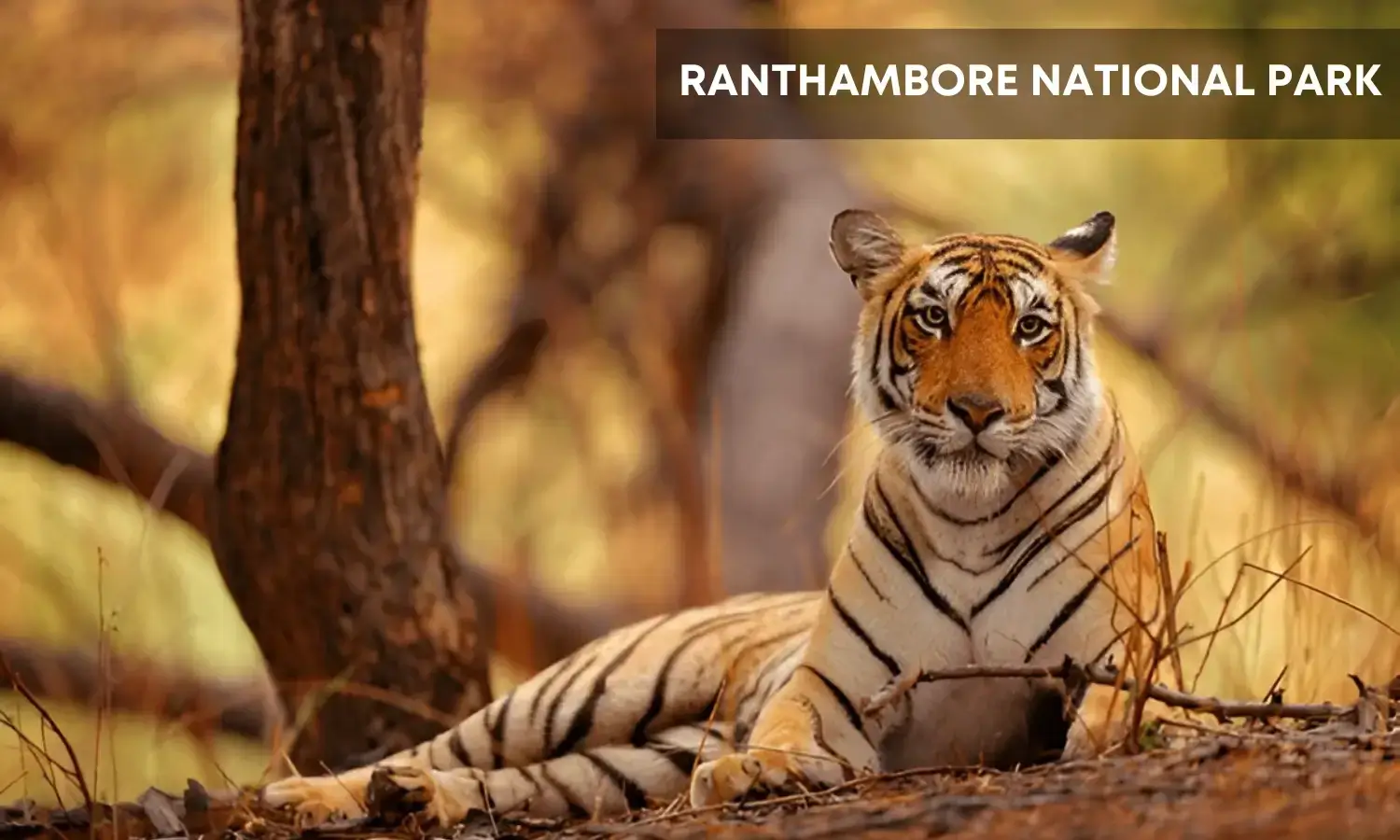
Ranthambore National Park, located in Rajasthan, is widely known for its accessible tiger safaris and historic forest setting. Famous for its Bengal tigers, the park also houses leopards, sloth bears, jackals, crocodiles, and hundreds of bird species. The mix of dense forests, hills, historic forts, and sparkling waterholes makes it one of India’s most thrilling wildlife destinations. Jeep safaris allow you to get close to the wild while staying safe, and every corner offers something new to explore.
Top Attractions:
- Ranthambore Fort: Historic 10th-century fort inside the park with panoramic views over forests and lakes.
- Padam Talao: Large waterbody attracting tigers, crocodiles, and a variety of birds.
- Malik Talao: Popular for wildlife photography and spotting animals at waterholes.
Things to Do:
- Jeep safaris to spot tigers, leopards, jackals, crocodiles, and deer.
- Bird watching of over 300 species including migratory birds in winter.
- Photography of animals, landscapes, and historic ruins.
- Explore the Ranthambore Fort and surrounding ruins for a mix of wildlife and history.
Best Time to Visit
- October to June: post-monsoon and winter months are ideal for wildlife sightings.
- Dry season (March-June): animals gather near waterholes, making spotting easier.
Expert Tip:
- Book early morning or late afternoon safaris for the best chance to see tigers and other wildlife.
- Visit lakes like Padam Talao and Malik Talao during the dry season with a higher chance of spotting crocodiles, deer, and tigers.
- Respect park rules: keep your distance from animals, avoid loud noises, and do not litter.
- Combine wildlife and heritage: start with a safari, then explore the fort and ruins in the later half of the day.
3. Kaziranga National Park
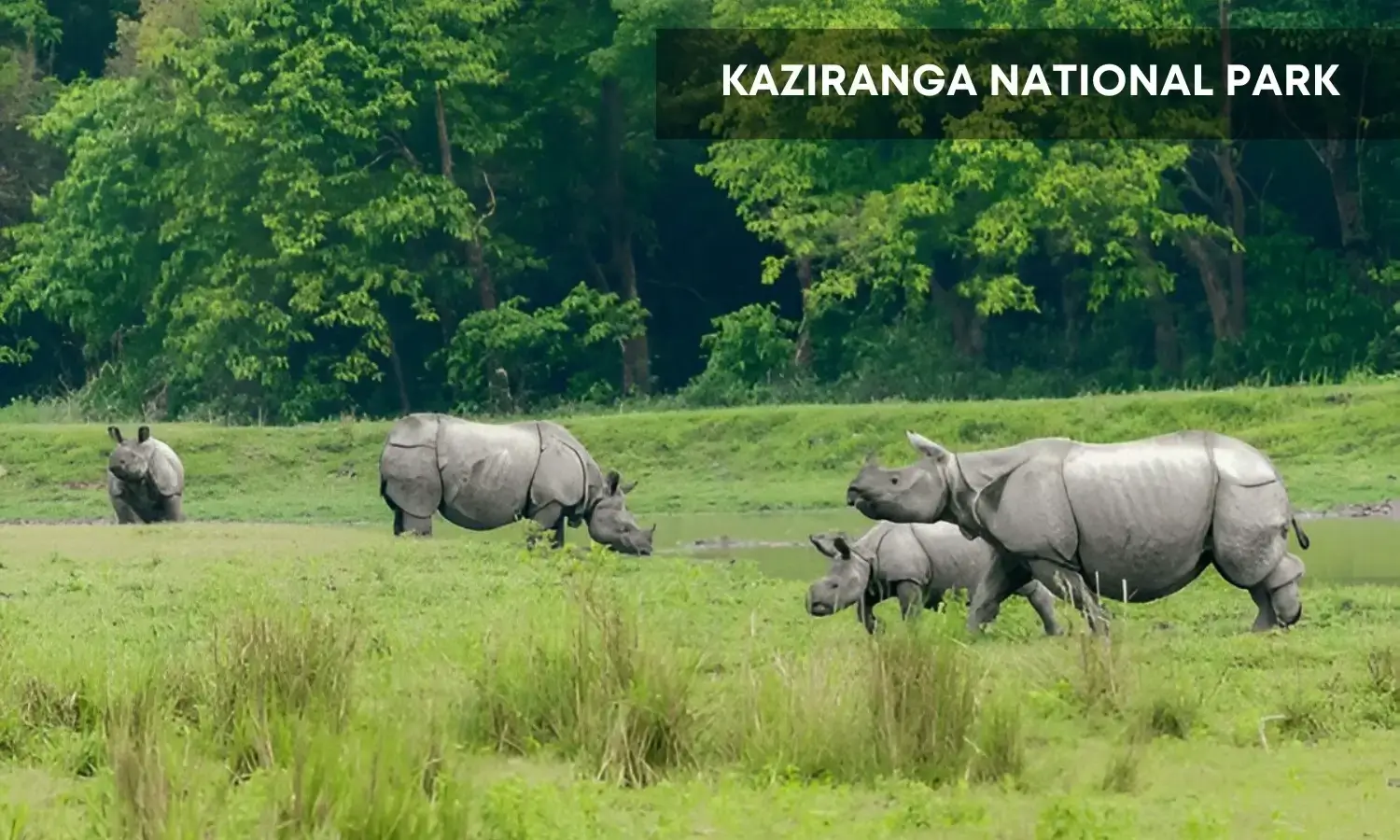
Kaziranga National Park, located in Assam, is one of India’s most iconic wildlife destinations and a UNESCO World Heritage Site. Home to the largest population of the one-horned rhinoceros on Earth, it’s also a tiger reserve and sanctuary for elephants, swamp deer, wild water buffaloes, and hundreds of bird species. Situated across the districts of Nagaon, Golaghat, and Karbi Anglong, Kaziranga lies on the floodplains of the mighty Brahmaputra River, featuring tall elephant grass, marshlands, wetlands, and tropical forests.
The park is celebrated not only for its wildlife but also for successful conservation efforts, making it a global example in protecting endangered species and preserving Assam’s natural heritage. It’s approximately five hours by road from Guwahati, making it accessible for adventure seekers and wildlife enthusiasts alike.
Top Attractions
- One-Horned Rhinoceros: The park’s star species, with the largest population in the world.
- Asiatic Elephants & Wild Water Buffaloes: Roam freely in grasslands and wetlands.
- Tigers & Leopards: Kaziranga has one of the world’s largest tiger populations.
- Birdlife: Over 300 species, including migratory birds like the black-necked stork, lesser white-fronted goose, ferruginous duck, and Baer's pochard, and resident birds like the great Indian hornbill.
- Jeep Safari: Traverse the park’s designated zones for up-close wildlife spotting.
- Elephant Safari: Explore dense grasslands from an elephant’s back; early morning is best.
- National Orchid and Biodiversity Park: Home to over 500 species of orchids, medicinal plants, and indigenous flora.
- Panbari Reserve Forest: Dense forest area ideal for birdwatching and spotting smaller mammals.
Nearby Nature & Cultural Extensions
- Kakochang Waterfalls: Stunning 40 m waterfall surrounded by bamboo groves and tea plantations; perfect for trekking, picnics, and photography.
- Deopahar Archaeological Site: Ancient ruins and sculptures nestled amidst lush greenery.
- Hoollongapar Gibbon Sanctuary: Protects the endangered Western Hoolock Gibbons, India’s only apes.
- Hathikuli & Addabarie Tea Estates: Explore traditional tea-making practices amidst scenic plantations.
- Indigenous Musical Instruments Museum: Showcases Assam’s rich musical heritage.
Things to Do
- Birdwatching: Wetlands and forests provide the perfect setting for spotting exotic and migratory species.
- Jeep & Elephant Safaris: Traverse park zones to spot rhinos, tigers, elephants, swamp deer, and more.
- Photography & Nature Walks: Capture wildlife, wetlands, waterfalls, and lush greenery.
- Visit Nearby Waterfalls & Villages: Kakochang Waterfalls and ethnic villages offer a mix of adventure and local culture.
- Explore Tea Estates & Orchids: Learn about Assam’s tea-making tradition and native flora.
Best Time to Visit
- October to June: Ideal for wildlife safaris and trekking.
- November to April: Dry season; animals frequent waterholes, making wildlife spotting easier.
- October to March: Best for visiting Kakochang Waterfalls.
- June to September: Avoid monsoon; the park remains closed due to flooding.
Expert Tips
- Entry permits are mandatory for Jeep and Elephant safaris, so book in advance.
- Jeep safaris operate in morning (8-10 AM) and afternoon (2-4 PM) shifts; elephant safaris only in the early morning (5:30-7:30 AM).
- Only registered guides are allowed, don’t attempt to switch guides.
4. Bannerghatta National Park
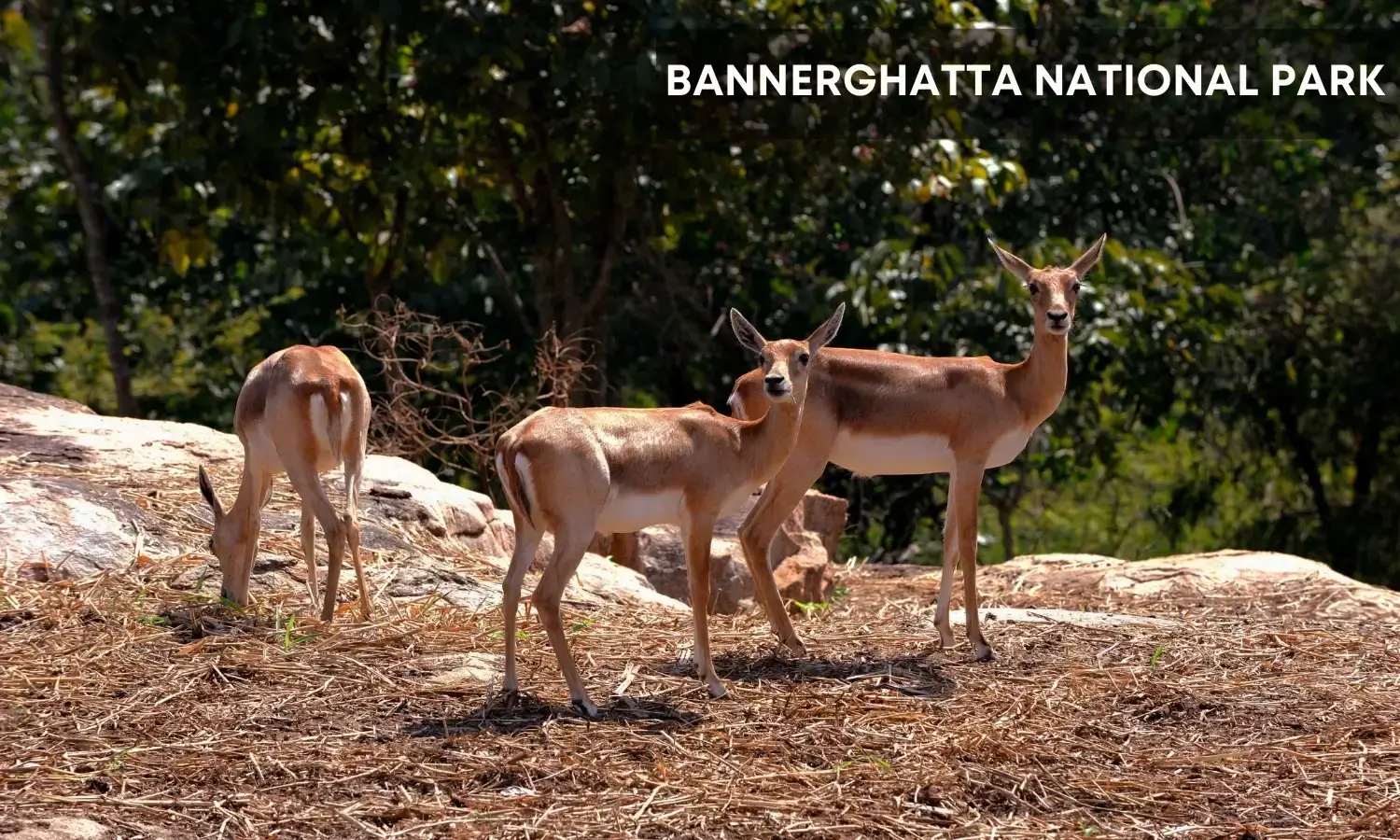
Just 22 km from Bangalore, Bannerghatta National Park is one of India’s most accessible wildlife parks for short visits and family outings. Established in 1971, this 104.27 sq km park is home to a huge variety of flora and fauna, making it one of Karnataka’s most popular wildlife destinations. Its proximity to Bangalore makes it one of India’s most accessible wildlife parks for short visits.
The park is not just about wildlife; it houses India’s first Butterfly Park, a zoo, an aquarium, a crocodile farm, a snake park, a children’s park, and even a prehistoric animals’ park. If you love adventure, the jungle safari is a must, taking you in caged vehicles through well-defined zones where you’re almost guaranteed to spot animals up close.
Top Attractions
- Butterfly Park: Walk amidst thousands of colorful butterflies in a lush environment.
- Jeep Safari: Explore the park in a bus or jeep and spot lions, tigers, elephants, deer, and other wildlife.
- Grand Safari: Larger zones offering more chances to spot exotic wildlife.
- Crocodile & Snake Park: See reptiles safely and learn about their habitats.
- Prehistoric Animals’ Park: Educational displays of dinosaurs and ancient species.
- Children’s Park & Aquarium: Perfect for family-friendly fun.
Things to Do
- Jungle Safari: Morning or afternoon jeep safaris let you witness wildlife in action.
- Elephant & Bus Safari: Ride safely and see animals from close quarters.
- Photography: The park’s landscape and wildlife are ideal for snapping amazing shots.
- Butterfly Park Visit: A serene, colorful experience perfect for relaxing or educational trips.
- Picnic & Leisure: With lots of green spaces, the park is perfect for a family picnic.
Best Time to Visit
- October to May: Ideal months for wildlife safaris and exploring the park.
- Winter & Early Summer (November to March): Perfect weather for sightseeing, safari rides, and photography.
- Avoid Monsoon (June to September): Heavy rains can make safaris and park exploration difficult.
Expert Tips: Visit early morning for the best wildlife sightings. Book safaris in advance during weekends and peak season.
5. Sanjay Gandhi National Park
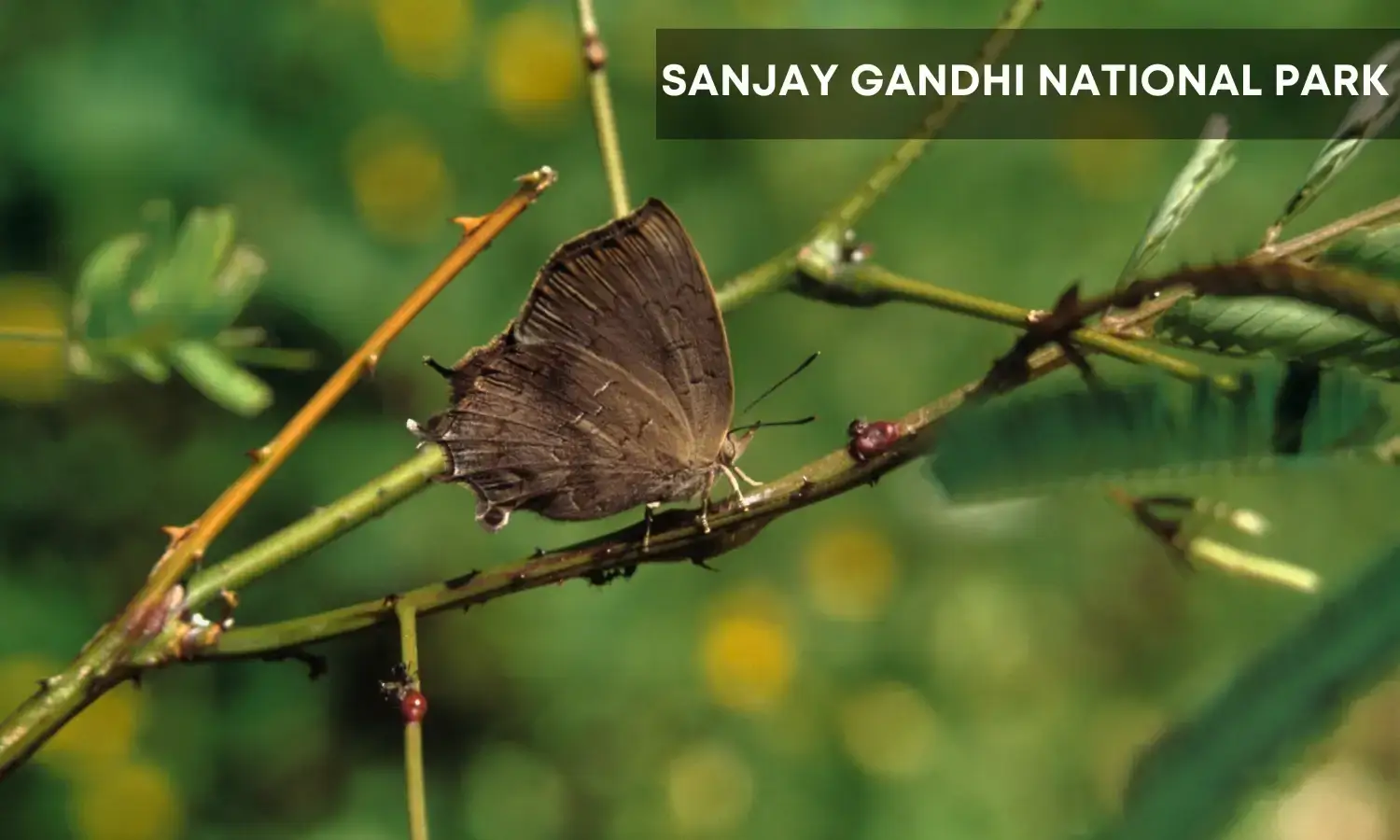
The park lies between the bustling suburbs of Mumbai and Thane. Sanjay Gandhi National Park functions as a rare urban wildlife reserve, offering forest access within the Mumbai metropolitan region. Also known as Borivali National Park, this park covers a massive 104 sq km and is home to over 500 species of fauna and 1,300 species of flora, making it one of Asia’s most visited city-located national parks. Few national parks in the world sit within a major metropolitan area like Mumbai.
The park is famed for its dense evergreen forests, diverse bird population, butterflies, and small tiger population. The crown jewel inside the park is the Kanheri Caves, carved into basalt rock more than 2,000 years ago, which were once an important Buddhist learning center and pilgrimage site. The park also features artificial lakes that attract migratory birds and even house crocodiles, providing both scenic views and wildlife adventures.
Top Attractions
- Kanheri Caves: Ancient rock-cut Buddhist monuments with stunning carvings.
- Lion Safari: Spot lions safely in their dedicated zone.
- Cycling & Walking Trails: Explore the park on rented cycles or on foot along scenic trails.
- Artificial Lakes: Observe migratory birds and crocodiles in serene surroundings.
- Butterfly & Bird Watching: The park is a paradise for birders and butterfly enthusiasts.
Things to Do
- Jungle Safari & Lion Safari: Experience wildlife safely in caged vehicles.
- Cycle on Rent: Pedal through lush trails and discover hidden corners of the park.
- Visit Kanheri Caves: Explore ancient Buddhist architecture and carvings.
- Photography & Nature Walks: Capture the park’s natural beauty and wildlife.
- Picnics & Family Outings: Plenty of spots for a relaxed day out with family.
Best Time to Visit
- October to March: Pleasant weather and ideal for exploring the park.
- Avoid Monsoon (July-September): Trails and caves may be slippery, and safaris limited.
Expert Tips
- Visit early morning to spot more wildlife.
- Carry water, snacks, and a hat; some areas have little shade.
- Wear comfortable shoes for walking around the Kanheri Caves and park trails.
6. Bandhavgarh National Park
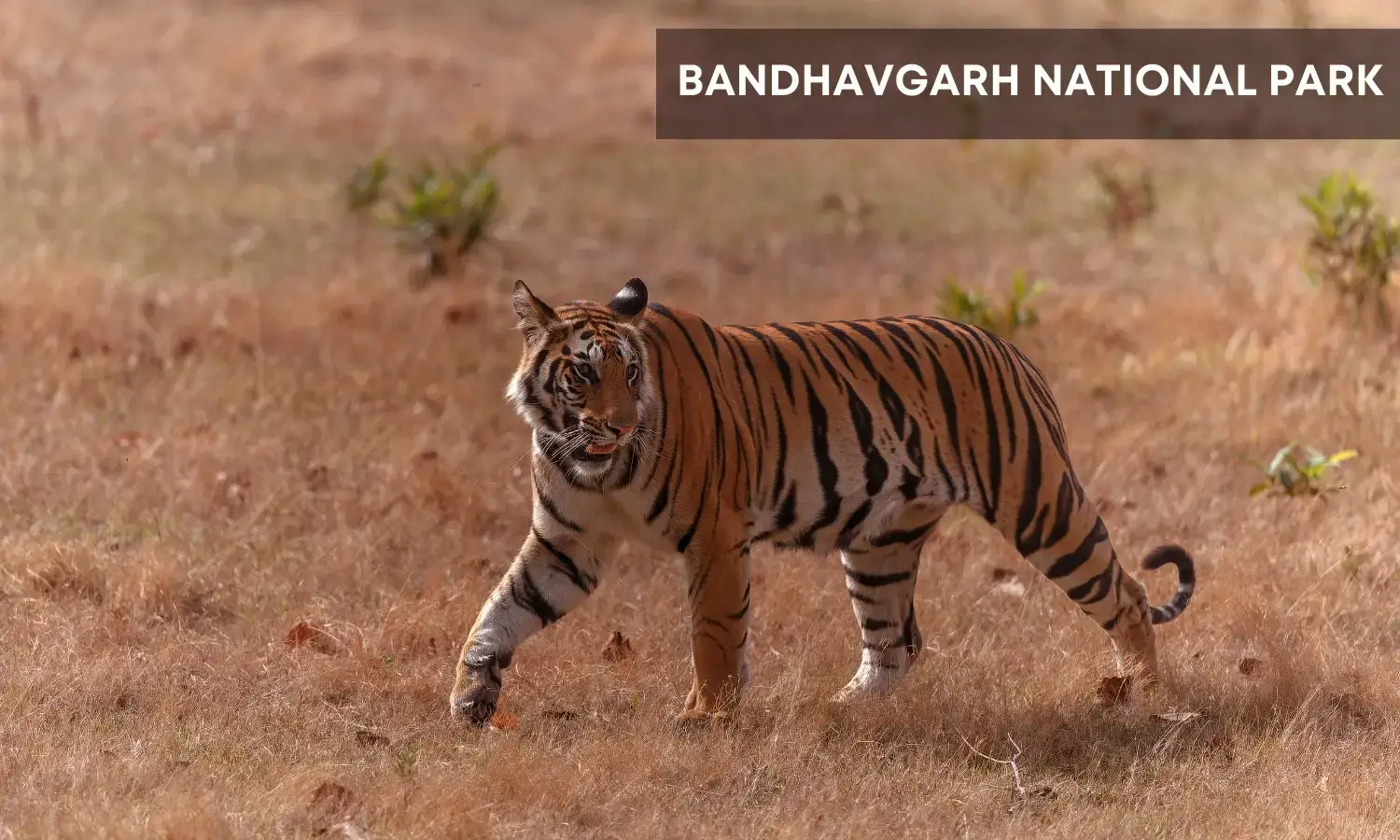
Once a hunting ground for the Maharajas of Rewa, Bandhavgarh National Park in Madhya Pradesh is famous for having the highest density of Bengal tigers in the world. Tiger enthusiasts and wildlife lovers flock here to catch a glimpse of the majestic cats in their natural habitat. The park supports a high density of large mammals along with a strong resident bird population.
The park is named after the Bandhavgarh Fort, perched atop 811-meter cliffs nearby. Though the fort is now in ruins, trekking up offers breathtaking views of the forest and surrounding landscapes. Jeep and elephant safaris are the most popular ways to explore the park safely while spotting wildlife.
Top Attractions
- Jungle Safari (Core Zones): Explore Tala, Magdhi, and other zones with high tiger density.
- Elephant Safari: Quiet, intimate safaris to spot wildlife hidden in dense forests.
- Bandhavgarh Fort & Caves: Ancient fort ruins and caves offering history and panoramic views.
- Shesh Shaiya: Serene riverside spot perfect for wildlife watching.
- Baghel Museum: Exhibits tribal art, traditional weapons, and hunting tools.
- Village Tala: Gateway village for safaris, with local culture and accommodations.
- Jwalamukhi Temple: Hilltop shrine surrounded by forest, reached via a scenic trek.
Things to Do
- Jeep Safari: Morning (5:30 AM) and afternoon shifts; 6 passengers per jeep with a naturalist. Book in advance.
- Elephant Safari: Early morning only; max 4 passengers per elephant with a mahout and naturalist.
- Canter Safari: Seats 12, available on the spot.
- Fort Trekking: Hike to Bandhavgarh Fort for stunning views.
- Bird Watching & Photography: Capture the rich flora and fauna of the park.
Best Time to Visit
- October to May: Ideal weather and highest chances of tiger sightings.
- Avoid Monsoon (June-September): Safari availability limited and forest trails are slippery.
Expert Tips
- Tala Zone is best for tiger sightings.
- Book safaris in advance, especially during peak season.
- Carry a camera with a zoom lens for wildlife photography.
- Best for wildlife enthusiasts, photographers, and adventure seekers.
7. Periyar National Park
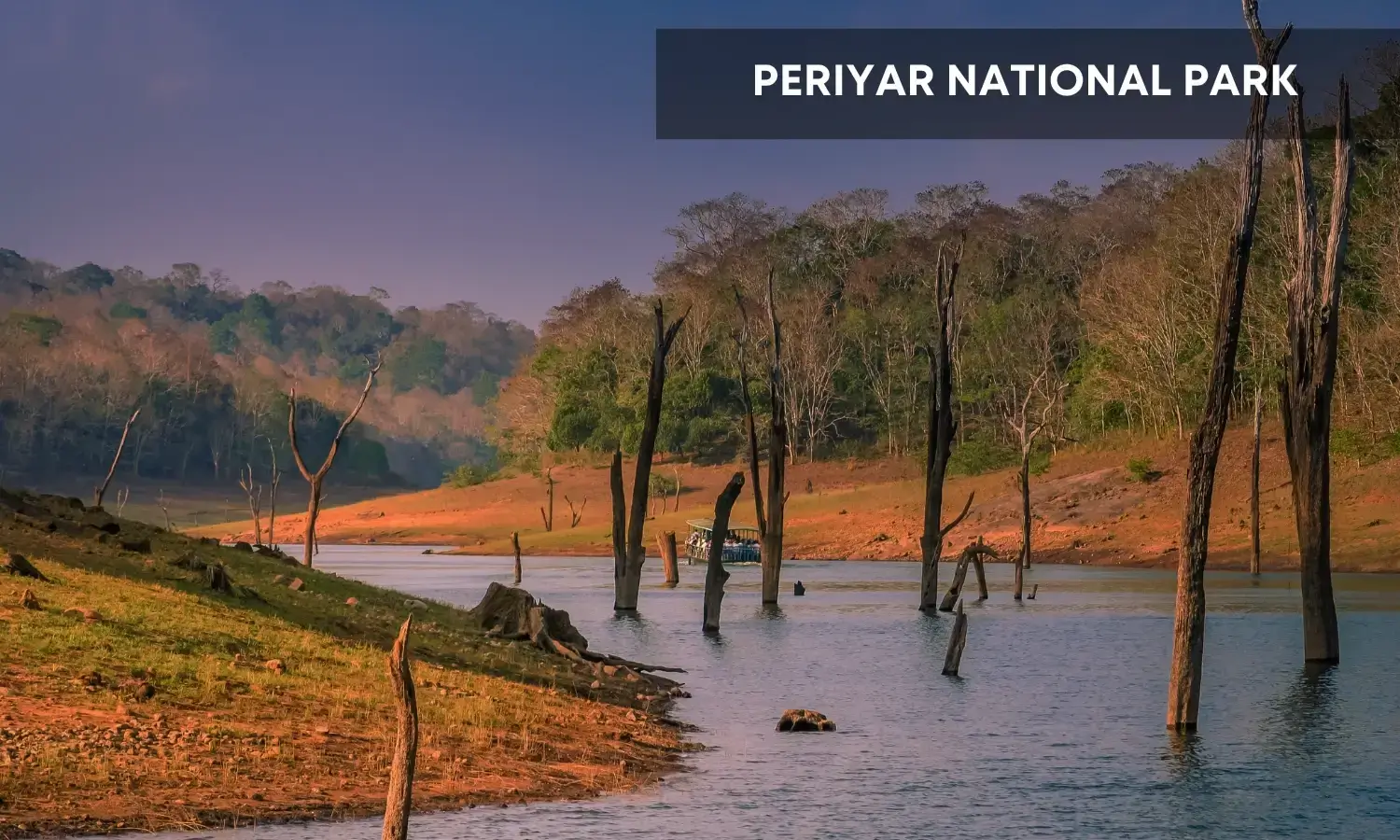
Located in Thekkady, Kerala, Periyar National Park (also known as Periyar Tiger Reserve) is a treasure trove of biodiversity and one of India’s best-protected wildlife sanctuaries. Sprawling over 257 square miles, the park supports forest and riverine ecosystems that sustain elephants, tigers, and diverse birdlife. Flowing rivers like Periyar and Pamba nourish the forest, creating lush greenery and a serene environment perfect for nature lovers and adventurers alike.
Periyar National Park is not just about wildlife spotting; it’s also a hub for ecotourism activities like bamboo rafting, jungle patrol, border hiking, tiger trails, nature walks, and jungle camping. These initiatives allow visitors to experience nature responsibly while enjoying adventure and serenity rolled into one.
Top Attractions
- Boating at Periyar Lake: Spot deer and other wildlife along the water’s edge.
- Jeep Safari: Explore the forest in comfort, ideal for photographers.
- Periyar Tiger Trail: Trek through thick vegetation with guides and Forest Department officials.
- Bamboo Rafting: Enjoy a water adventure amidst the scenic catchment area.
- Border Hiking: Trekking programs into the wilderness for adventure seekers.
- Jungle Night Patrol: A thrilling nocturnal safari to witness wildlife after dark.
- Nature Walks: Stroll through wildlife-rich zones, perfect for birdwatching.
- Jungle Camping: Camps along the Periyar River for an immersive experience.
Things to Do
- Boat Safari on Periyar Lake: Spot elephants, bison, deer, and birds while cruising on the lake.
- Bamboo Rafting: A peaceful, adventurous ride through forests and calm backwaters.
- Jungle Trekking: Guided walks through thick forests with chances to see wildlife up close.
- Night Trek / Jungle Patrol: Explore the forest after dark with trained guards.
- Border Hiking: Full-day trek along the park's boundaries for hardcore nature lovers.
- Spice Plantation Tour: Learn how cardamom, pepper, and cinnamon are grown.
Best Time to Visit
Expert Tips: Carry sunglasses, hats, water bottles, and ID proof. Book safaris and boating in advance during peak season. It is ideal for wildlife enthusiasts, adventure seekers, and photographers.
- September to May: Pleasant weather, optimal for safaris and boating.
- Monsoon (June-August): Heavy rainfall may disrupt boating and trekking activities.
8. Kanha National Park
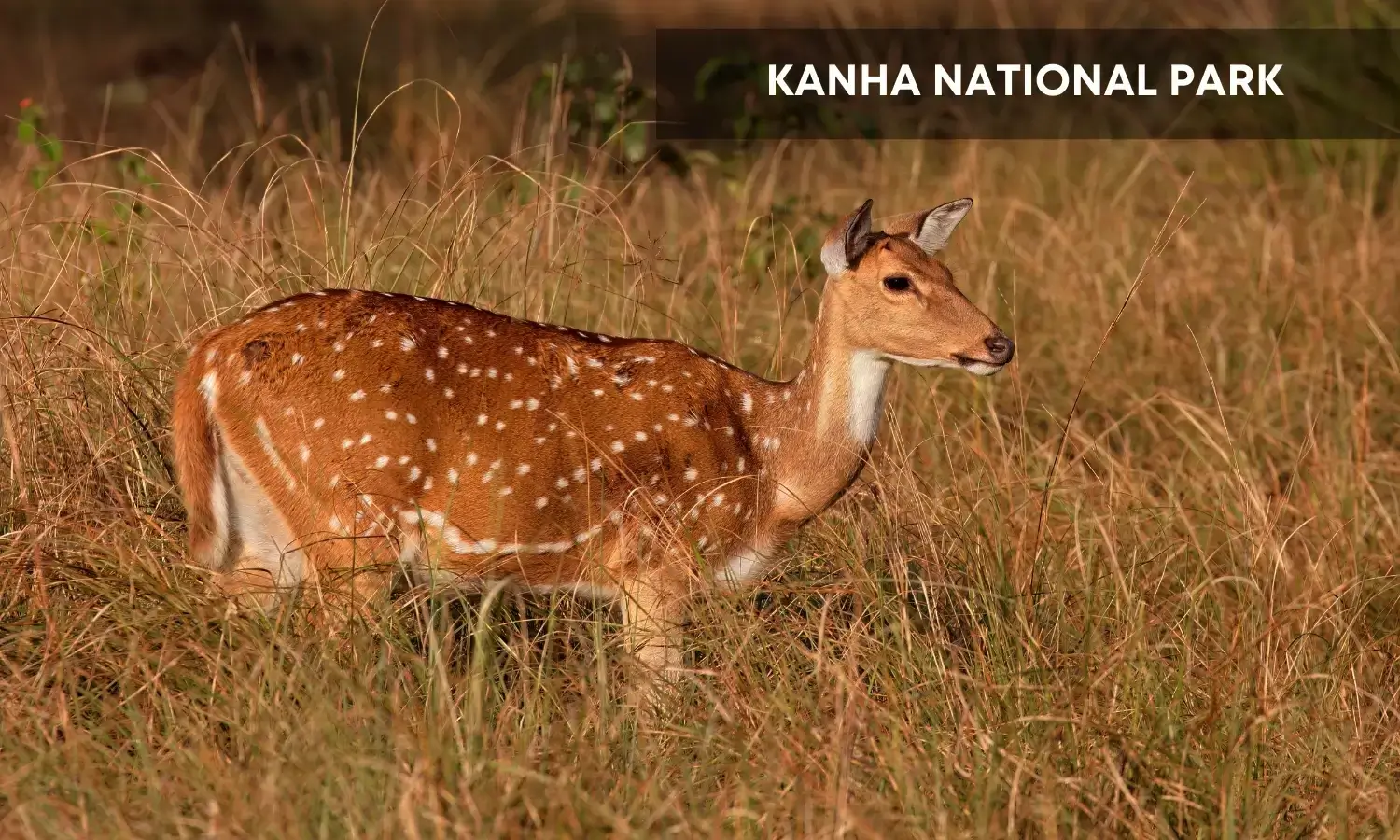
Located in the heart of Madhya Pradesh, Kanha National Park is one of India’s most stunning and well-preserved tiger reserves. Spread across 940 sq km, Kanha is famous for its royal Bengal tigers, golden meadows, dense sal forests, and the rare Barasingha, which was saved from extinction right here.
This is the forest that inspired Rudyard Kipling’s The Jungle Book, and the moment you enter Kanha, you truly feel like you’ve stepped right into Mowgli’s world. Kanha is frequently included in Central India wildlife itineraries due to its size, habitat diversity, and reliable safari experiences.
Top Attractions
- Kanha Zone: (Most Popular Zone) The heart of the park with vast sal forests and open meadows. Includes the famous Bamni Dadar (Sunset Point), one of the most beautiful sunset spots in India.
- Mukki Zone: Dense jungles, wide grasslands, fewer tourists, and high chances of spotting tigers and big cats.
- Kisli Zone: Closest to Khatia Gate, easy to access. Known for balanced landscapes and great sightings of barasingha, deer, and leopards.
- Sarhi Zone: Quieter and more rugged. Ideal for travelers looking for a raw, untouched forest vibe.
- Buffer Zones (Budget Safaris): Perfect if core zones are full. Khatia buffer is the most preferred.
- Bamni Dadar: Sunset Point: The highest viewpoint in Kanha. Known for orange-gold sunsets, grazing deer, and panoramic forest views.
- Shravan Taal: A peaceful pond linked to the Ramayana legend of Shravan Kumar. Beautiful, calm, and photogenic.
- Kanha Museum/Interpretation Centre (Near Khatia Gate): Learn about the park’s history, wildlife species, conservation work, and the Barasingha success story.
- Eco-Lodges & Earth Lodges: Stay in nature-friendly jungle lodges like Kanha Earth Lodge to enjoy night walks, local culture, and guided trails.
Things to Do in Kanha
- Jeep Safaris: Morning and afternoon safaris through core and buffer zones for wildlife viewing and photography.
- Elephant Safari: Available in the mornings; offers closer forest access and intimate wildlife sightings.
- Birdwatching: Over 300 bird species, including the crested serpent eagle, Indian roller, and various woodpeckers.
- Nature Photography: Open meadows and forest edges provide excellent light conditions, especially in early mornings.
- Stay at Eco-Lodges: Forest-adjacent lodges enhance the overall wildlife experience with guided walks and local insights.
Best Time to Visit
- October to June: General safari season.
- October to February: Pleasant weather; ideal for birdwatching and comfortable safaris.
- March to June: Hotter months, but higher chances of spotting tigers near water sources.
- July to September: Park remains closed due to monsoon.
Expert Tips
- Morning safaris offer better wildlife activity and softer light for photography.
- Tala and Mukki zones are often preferred for tiger sightings, though availability varies daily.
- Carry layered clothing; mornings can be cold, even in warmer months.
- Safari permits and preferred zones should be booked well in advance during peak season.
9. Nagarhole National Park
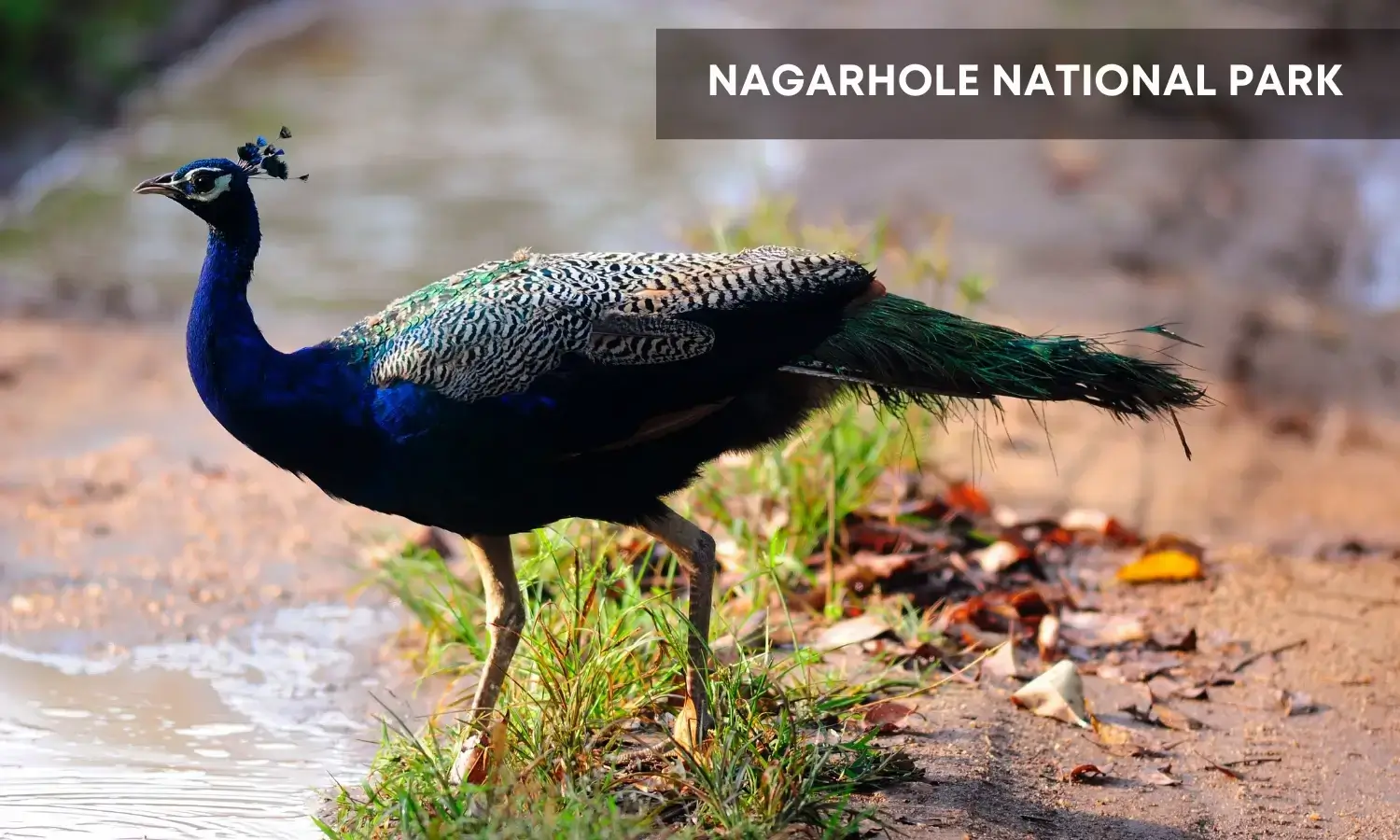
Nagarhole National Park, tucked between Mysore and Kodagu, is one of South India’s most thrilling wildlife destinations. With its thick forests, winding streams, gentle valleys, and the famous Kabini River, this park feels like a massive, untouched jungle straight out of a nature documentary.
Home to elephants, tigers, leopards, gaurs, deer, sloth bears, wild dogs, and over 250 species of birds, Nagarhole is recognized for its dense forest cover, river systems, and consistent wildlife activity. The forest is full of rosewood, sandalwood, teak, and bamboo, making the entire place look lush and alive all year round.
The northern edge is lined by the Kabini River, while Bandipur National Park borders the south, together forming one of the richest wildlife belts in India. The Kabini backwaters, dotted with elephants, crocodiles, and birds, is easily one of the most iconic sights of the region.
Top Attractions in Nagarhole National Park
- Nagarhole Jungle Safari: The main highlight of the park, the jungle safari takes you through dense forests, open grasslands, and watering holes where animals gather.
- Kabini Backwaters: One of the most beautiful wildlife zones in South India, the Kabini backwaters attract huge herds of elephants, especially in summer.
- Kabini Dam: The Kabini Dam separates Nagarhole from Bandipur and is a scenic landmark surrounded by lush forest.
- Trekking Trails of Nagarhole: For those who enjoy walking through nature, the forest department arranges guided treks that take you deep into the greenery. These treks are ideal for spotting butterflies, small mammals, and birds and learning about the local ecosystem. It’s a peaceful, immersive way to explore the forest.
- Birdwatching Hotspots: With over 250+ species, Nagarhole is heaven for birdwatchers. You can spot crested serpent eagles, Malabar pied hornbills, racquet-tailed drongos, owls, and woodpeckers. Early mornings around forest edges, riversides, and grasslands offer the best sightings.
Things to Do
- Jeep safaris to spot tigers, elephants, panthers, gaurs, sambars, and 250+ bird species.
- Trekking through lush forests for birdwatching and nature photography.
- Visit Kabini River and its dam for scenic views and wildlife sightings.
- Explore plantations and forested areas with varied topography (slopes, valleys, streams).
Best Time to Visit
- October to May: ideal for safaris and wildlife sightings.
- Winter (November-February): pleasant weather, easy trekking.
- Summer (March-May): higher chances of spotting wildlife near water sources.
Expert Tips
- Book safaris and accommodations in advance; jeeps have limited capacity.
- Early morning safaris offer the best chances of spotting tigers and elephants.
- Carry binoculars, cameras, hats, and water bottles.
- Wear neutral-colored clothing to blend into the forest environment.
10. Gir National Park
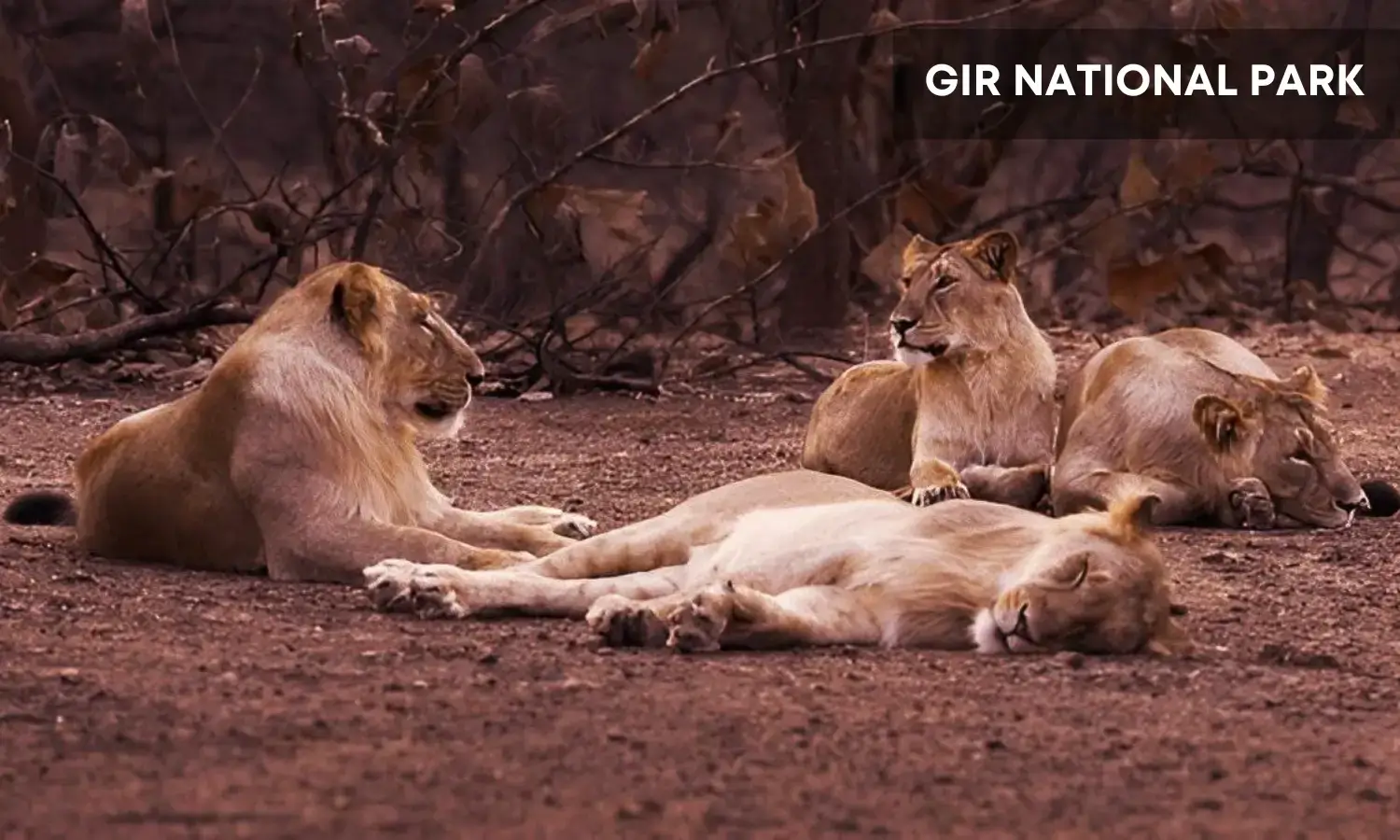
Gir National Park, located in Gujarat, is famously known as the last natural habitat of the Asiatic lions. Spread over 1,412 square kilometers, Gir National Park features dry deciduous forests, open grasslands, and seasonal water bodies that support lion movement. It is globally renowned for wildlife conservation and provides a chance to witness lions, leopards, hyenas, striped hyenas, jackals, and over 300 species of birds in their natural habitat.
Top Attractions
- Asiatic Lions: the star attraction of the park.
- Devaliya Safari Park: a fenced area with easier wildlife sightings.
- Kamleshwar Dam: a great spot for birdwatching.
- Madhav and Hiran River Valleys: scenic areas with wildlife activity.
- Kankai Mata Temple: located within the park boundaries.
Things to Do
- Jeep safaris for spotting lions and other wildlife.
- Birdwatching along water bodies and open grasslands.
- Guided nature walks with forest officials.
- Photography safaris to capture the unique flora and fauna.
- Visit local tribal villages nearby for cultural experiences.
Best Time to Visit
Safari permits are tightly regulated, making advance booking essential during peak months.
- October to March: ideal for wildlife spotting and pleasant weather.
- April to June: hotter months, lions are often seen near water sources.
Expert Tips
- Book safaris well in advance; the number of vehicles per day is limited.
- Early morning safaris are the best for sightings of lions and other wildlife.
- Carry binoculars, cameras, sunscreen, and water bottles.
- Dress in neutral or earth tones to avoid startling animals.
Universal Expert Tips for Wildlife Trips in India
- Expert Tip (Save Money): Book safaris and stays through the official forest‑department websites or government‑run accommodations, this avoids overpriced middlemen and gives you the lowest official rates.
- Pro‑Tip (Save Time & Stress): Book your safari slots as soon as they open (often 90-120 days in advance); prime zones sell out fast, especially during peak seasons.
- Expert Tip (Group Savings): Share a jeep or safari vehicle if possible; per‑person cost drops significantly when you fill the vehicle fully.
- Local Advice (Avoid Scams): Always double‑check that safari permits are booked via the official portal of the respective forest department; there have been cases of fake booking sites scamming travellers.
- Pro‑Tip (Flexible Planning): Try traveling in shoulder/off‑peak seasons (just before or after peak tourist season) to get cheaper stays, fewer crowds, and still good wildlife sightings.
Exploring India’s wildlife is more than a vacation; it’s a journey into the heart of nature’s wonders. From majestic tigers and one-horned rhinos to lush forests and serene rivers, each park delivers a distinct wildlife experience shaped by habitat, species presence, and safari management.
With careful planning, smart bookings, and respect for local wildlife, your trip can be unforgettable, safe, and full of awe-inspiring encounters with India’s incredible natural heritage. Choosing the right park depends on the species you want to see, the season you travel, and how much time you have; not all wildlife experiences in India are the same.





 Wildlife Tours
 Trekking Tours
 Religious Tours
 Heritage Tours
 Beach Tours
 Train Tours
 Yoga & Ayurveda Tours
 Festival Tours