10 Best Places to Visit on a North India Tour

A North India tour can feel transformative or overwhelming, and the difference rarely lies in how many places you visit. It lies in what you combine, how you sequence destinations, and how much time you allow each place to breathe. North India compresses monumental history, living spirituality, Himalayan landscapes, and everyday traditions into vast distances. Attempting to “see it all” often results in long drives, cultural fatigue, and shallow impressions.
This guide to the best places to visit in North India is written for travelers who want clarity over clutter. Instead of listing famous names, it explains why each destination belongs, how time feels there, and who it suits best, helping you design a North India trip that feels immersive rather than rushed.
North India Tour at a Glance: Where Each Place Fits Best| Destination | Best For | Ideal Stay | Travel Intensity |
|---|---|---|---|
| Delhi | First-time visitors, culture seekers | 2 days | High |
| Agra | Iconic monument experience | 1 night | Low |
| Jaipur | Heritage, markets, cuisine | 2–3 nights | Medium |
| Varanasi | Spiritual & cultural depth | 2 nights | High |
| Amritsar | Reflection & human connection | 2 nights | Low |
| Rishikesh | Rest, nature, wellness | 2–3 nights | Low |
| Shimla | Easy mountain comfort | 2 nights | Low |
| Dharamshala | Cultural mountain retreat | 2–3 nights | Low |
| Leh–Ladakh | Landscapes & monasteries | 7+ days | High |
| Udaipur | Relaxed heritage wind-down | 2–3 nights | Low |
1. Delhi: The Cultural Gateway to a North India Tour
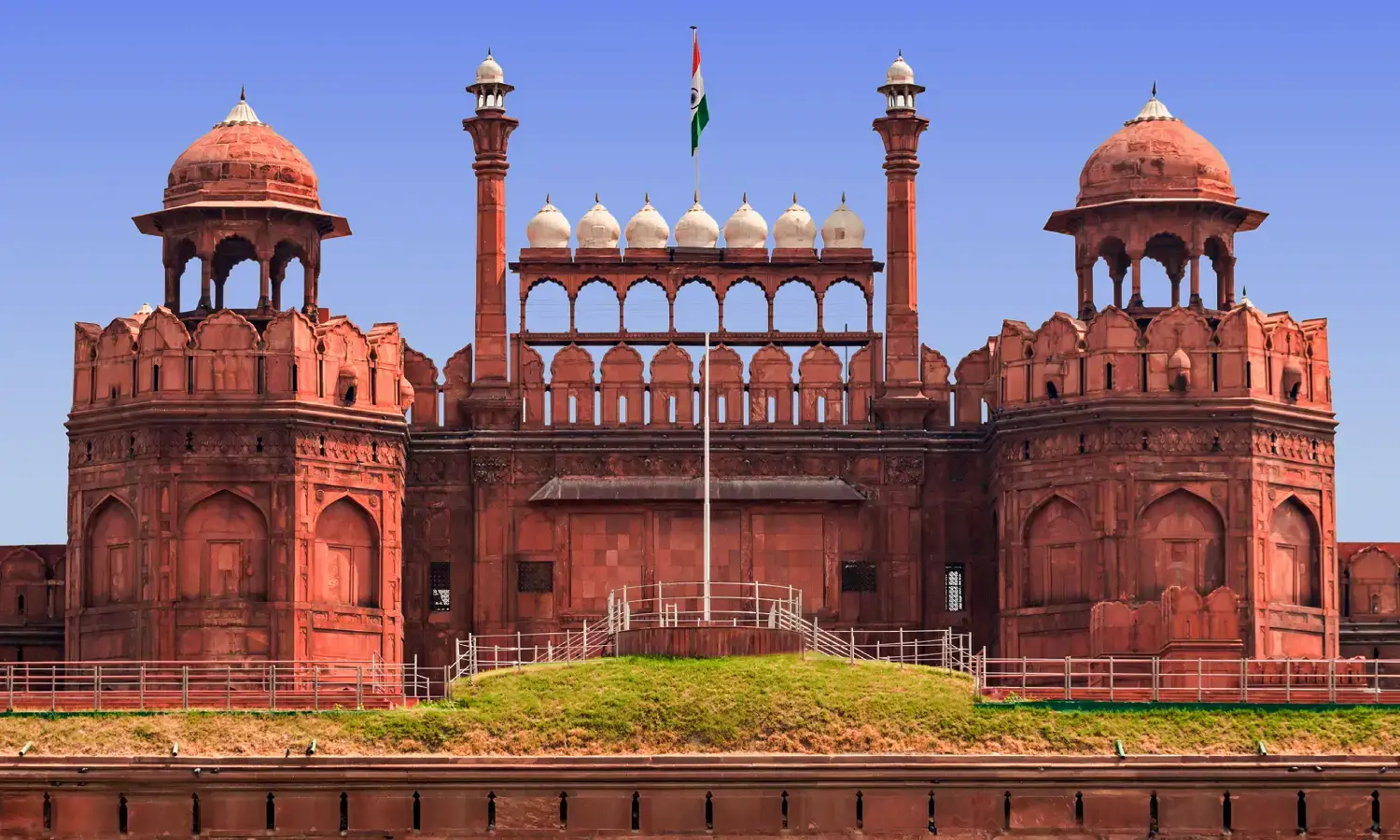
For most travelers, Delhi is the entry point to a North India tour, and it sets expectations immediately. The city compresses centuries of history into one sprawling landscape: Mughal-era forts, colonial boulevards, and modern neighborhoods exist side by side, often within the same afternoon.
How time flows here?Days in Delhi feel fast and full. Traffic, crowds, and the sheer volume of sights can be energizing or exhausting, depending on how tightly you plan.
Why it works as a starting point?
Delhi provides cultural context. Old Delhi’s narrow lanes and markets introduce traditional life, while areas like Central Delhi and Lodhi Gardens offer breathing space. This contrast helps travelers understand India’s layers early on.
How to experience it without fatigue?
Two focused days are usually enough. Pair heritage-heavy sightseeing with quieter green spaces, and rely on the Metro rather than private cars wherever possible.
Who is it best suited for?
Best suited for first-time visitors and travelers beginning a longer North India itinerary.
2. Agra: A Focused Stop on a North India Tour
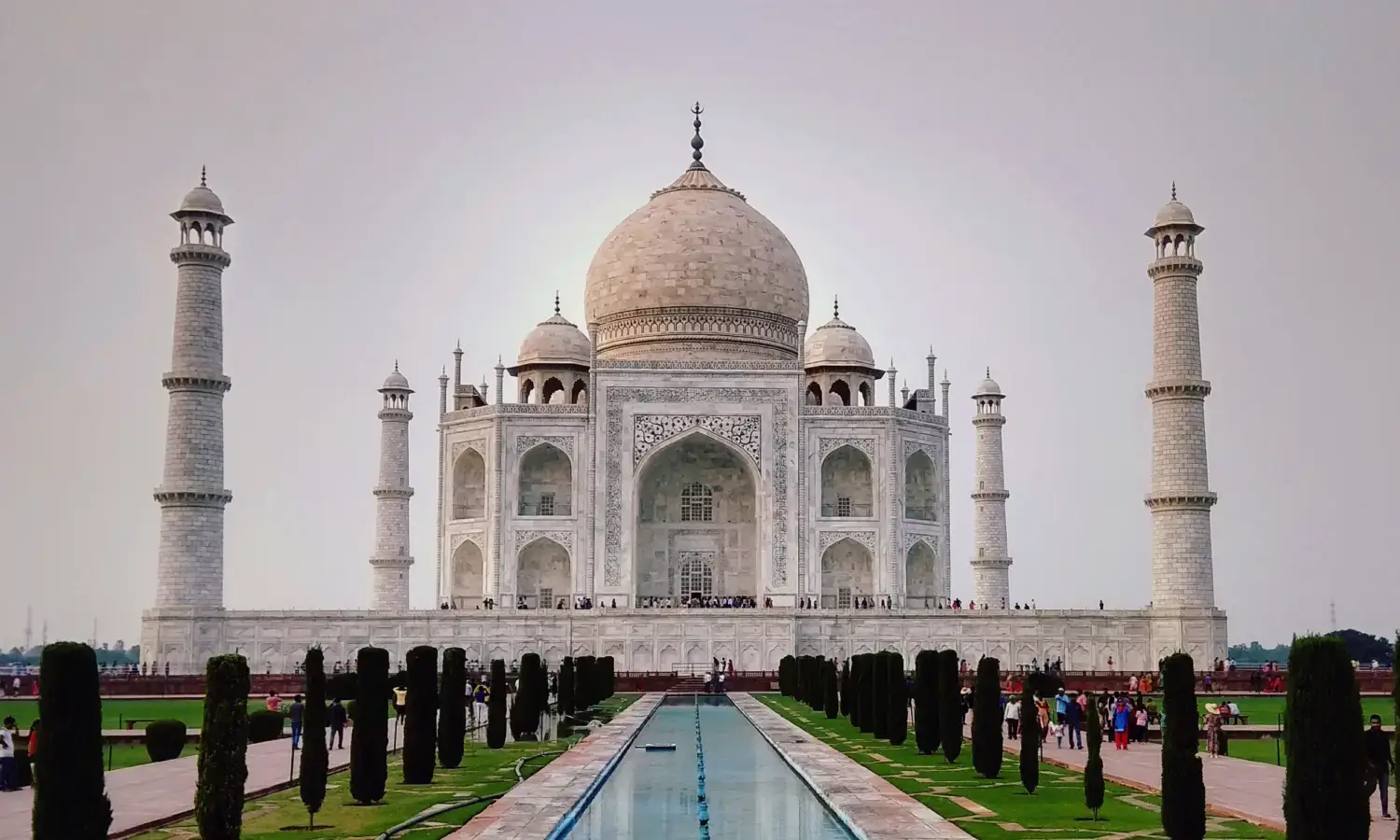
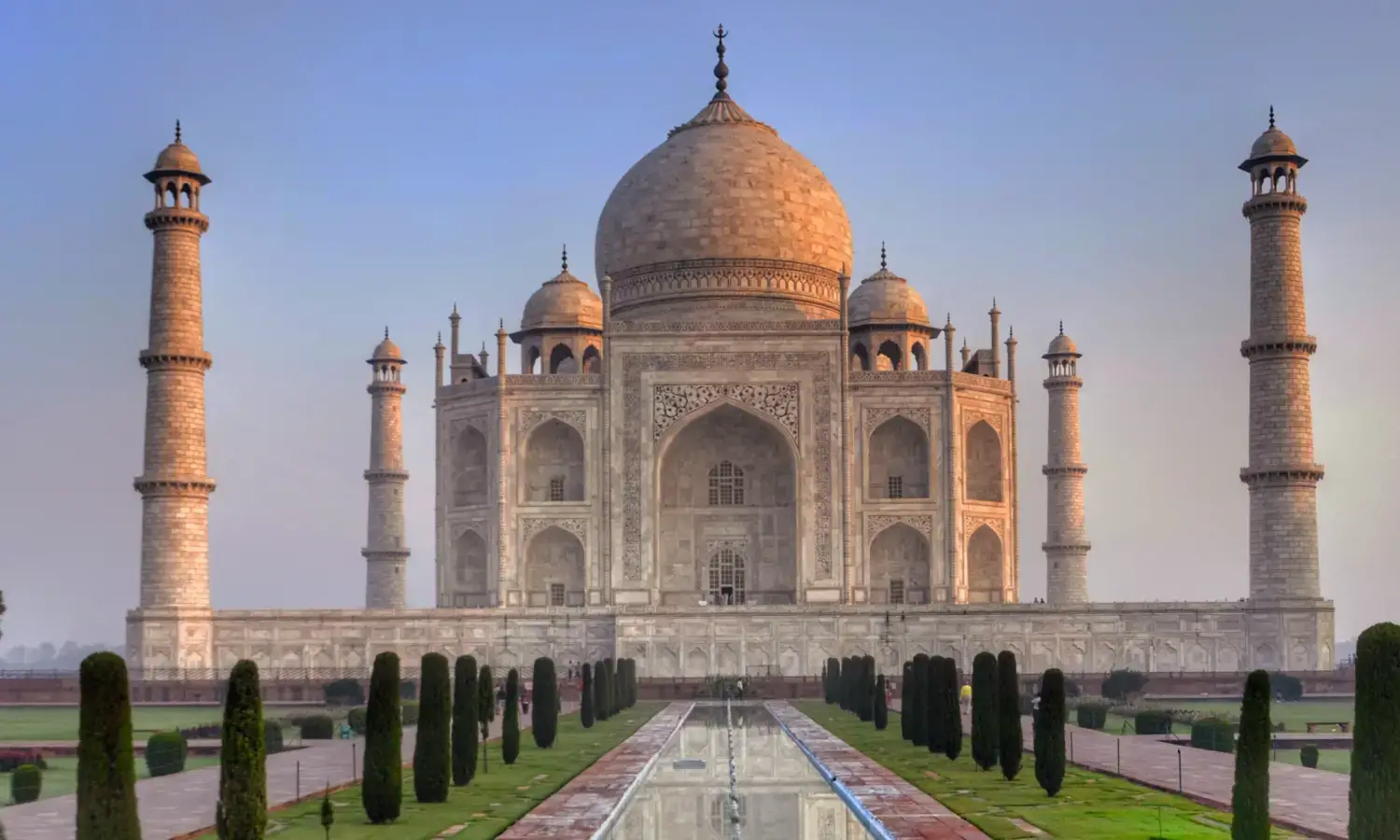
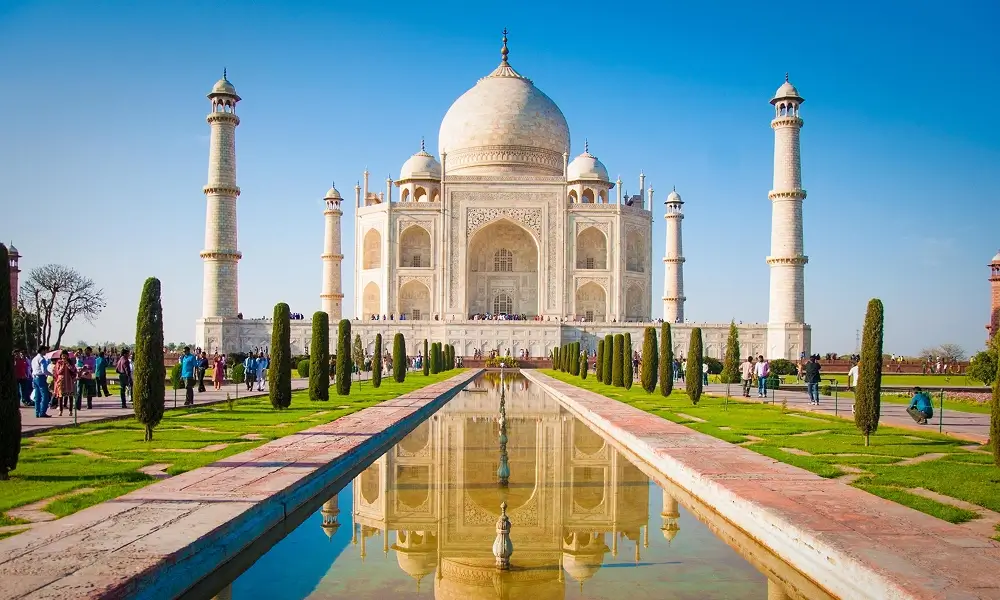
Agra is not a city you linger in, and it isn’t meant to be. Its role in a North India tour is precise and powerful in delivering one of the world’s most iconic monuments.
How time flows here?
Agra moves quickly. Most travelers arrive, experience the Taj Mahal, and leave with a sense of emotional completion.
Why it earns its place?
The Taj Mahal is more than a photo opportunity; it is often the emotional high point of a first North India trip. Skipping Agra weakens the cultural narrative of the journey.
How to experience it well?
Plan a sunrise visit to the Taj Mahal, when crowds are thinner and temperatures cooler. Combine it with Agra Fort and a sunset view from Mehtab Bagh, then move on. One night is ideal.
Insight: Ideal as a short, focused stop rather than a standalone destination.
3. Jaipur: Royal Heritage Without Overwhelm
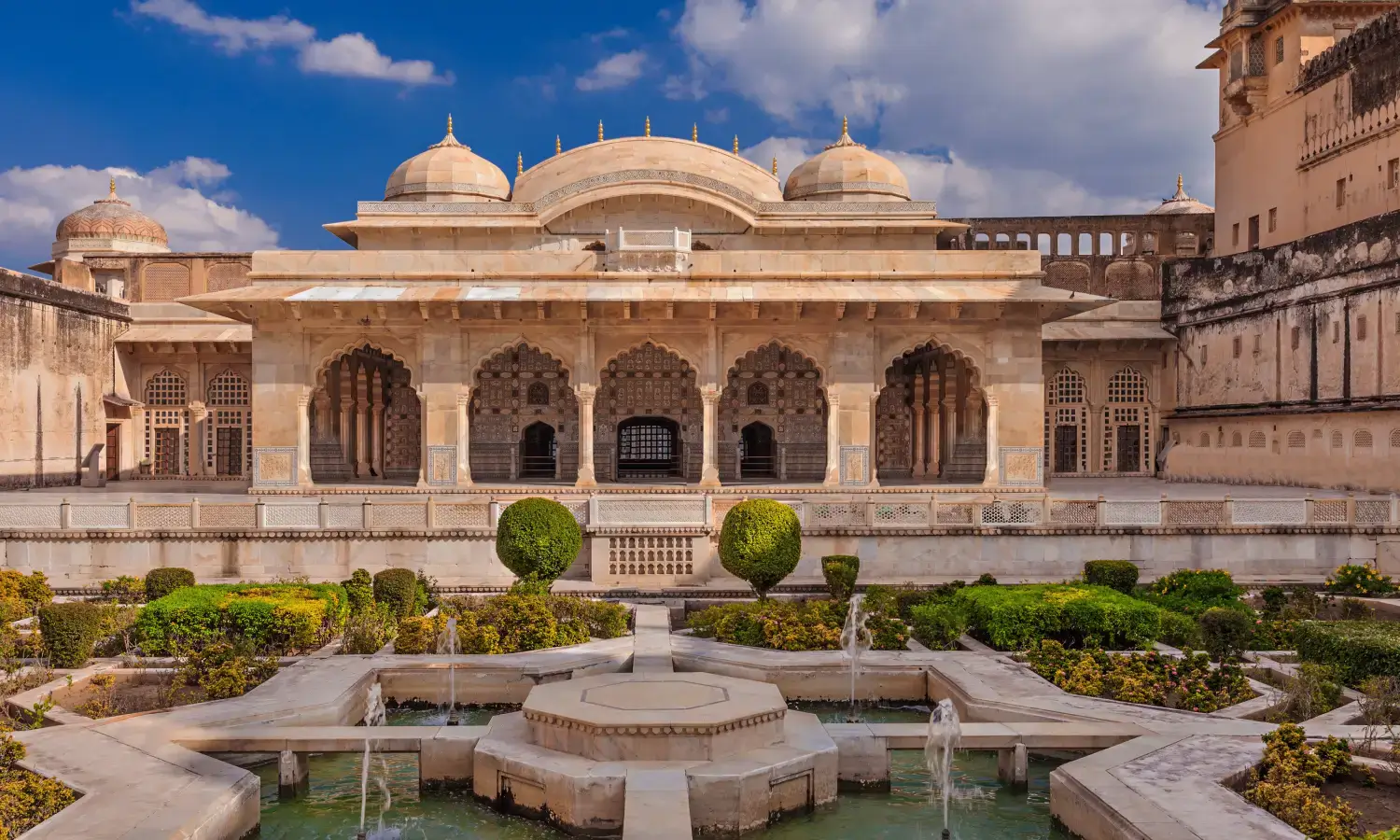
Jaipur introduces Rajasthan in its most approachable form. As part of the classic Golden Triangle, it balances grandeur with structure, making it an easy and rewarding stop on a North India tour.
How time flows here?
Sightseeing follows a clear rhythm. Distances are manageable, and monuments are well spaced, allowing for steady exploration without rush.
Why it works so well?
Jaipur offers palaces, forts, markets, and cuisine in one compact circuit. It delivers a sense of royal India without the logistical strain found in some other historic cities.
How to experience it well?
Spend two to three nights. Focus on Amber Fort, City Palace, and Hawa Mahal, but leave room for markets like Johri Bazaar and local food experiences. Jaipur is as much about flavor as architecture.
Who is it best suited for?
Well-suited for first-time visitors and families seeking structured heritage sightseeing.
4. Varanasi: Where a North India Tour Turns Inward
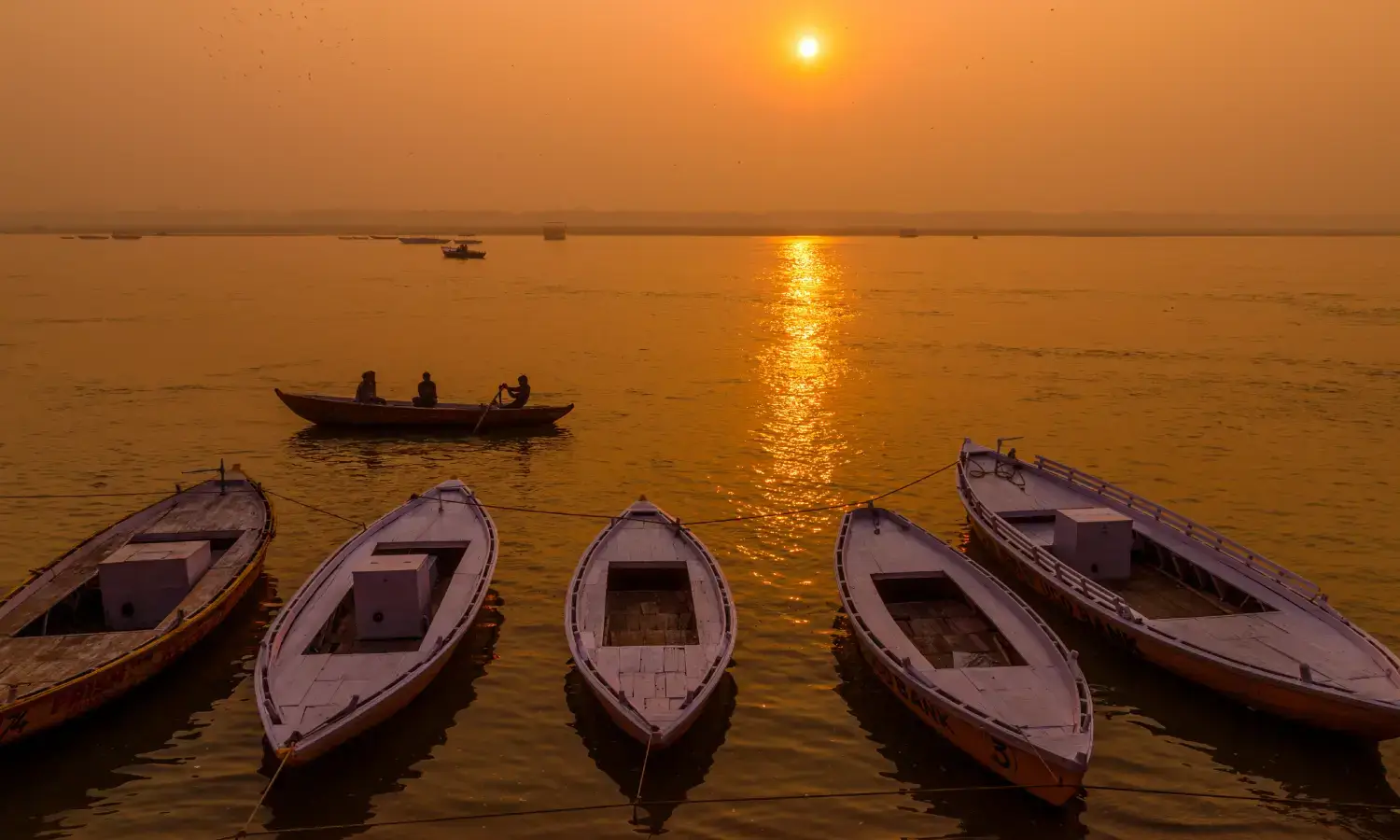
Varanasi is not visually grand in the way forts or palaces are, but it is emotionally unmatched. For many travelers, this is the place where a North India tour shifts from sightseeing to reflection. Life, prayer, ritual, and death unfold openly along the ghats of the Ganges, often within the same stretch of river.
How time flows here?
Early mornings begin quietly on the river, afternoons are crowded and chaotic, and evenings carry a powerful emotional charge during the Ganga Aarti. Days feel intense rather than long.
Why it earns its place?
Varanasi offers insight into India’s spiritual worldview that no monument can explain. It adds meaning to a journey otherwise dominated by architecture and landscapes.
How to experience it without overwhelm?
Limit your stay to two nights. Prioritize a sunrise boat ride and one evening ceremony, and avoid packing your schedule too tightly. Varanasi works best once travelers are already culturally acclimatized.
Our View: Not recommended as the first stop for travelers new to India.
5. Amritsar: Quiet Depth and Human Warmth
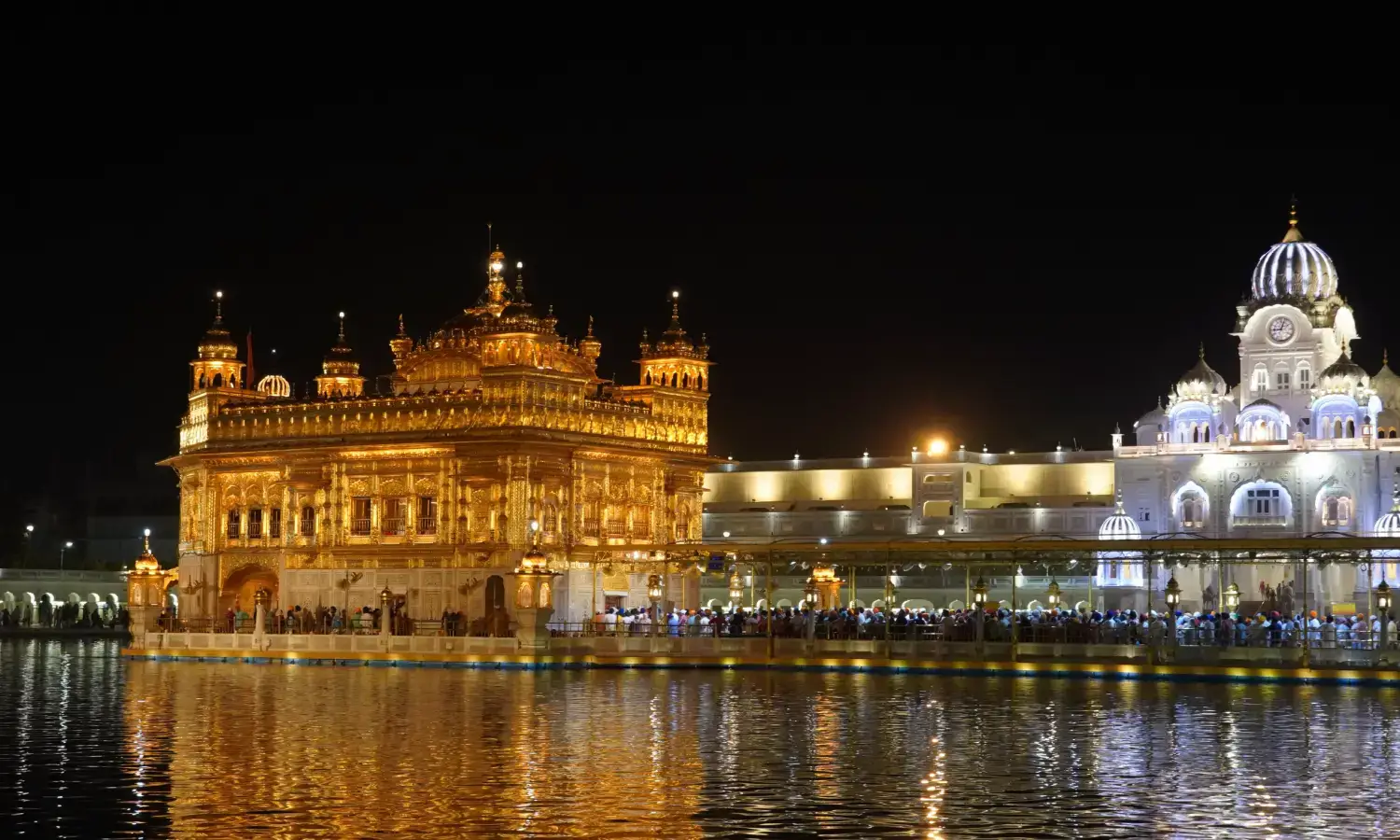
Amritsar often surprises travellers with how grounded and welcoming it feels. Unlike many major cities, it doesn’t overwhelm. Instead, it leaves a lasting impression through simplicity, generosity, and shared experience.
How time flows here?
Days are calm and walkable, with a natural rhythm centered around the Golden Temple.
Why it works so well on a North India tour?
The Golden Temple’s langar (community kitchen) offers one of India’s most powerful experiences of equality and service. It adds emotional balance after the intensity of places like Delhi or Varanasi.
How to experience it well?
Visit the Golden Temple early in the morning or late at night for a quieter atmosphere. Walk through the old bazaars slowly, and treat the Wagah Border ceremony as optional if crowds aren’t your preference.
Who is it best suited for?
Works especially well for travelers seeking emotional depth without sensory overload.
6. Rishikesh: A Natural Pause in the Journey
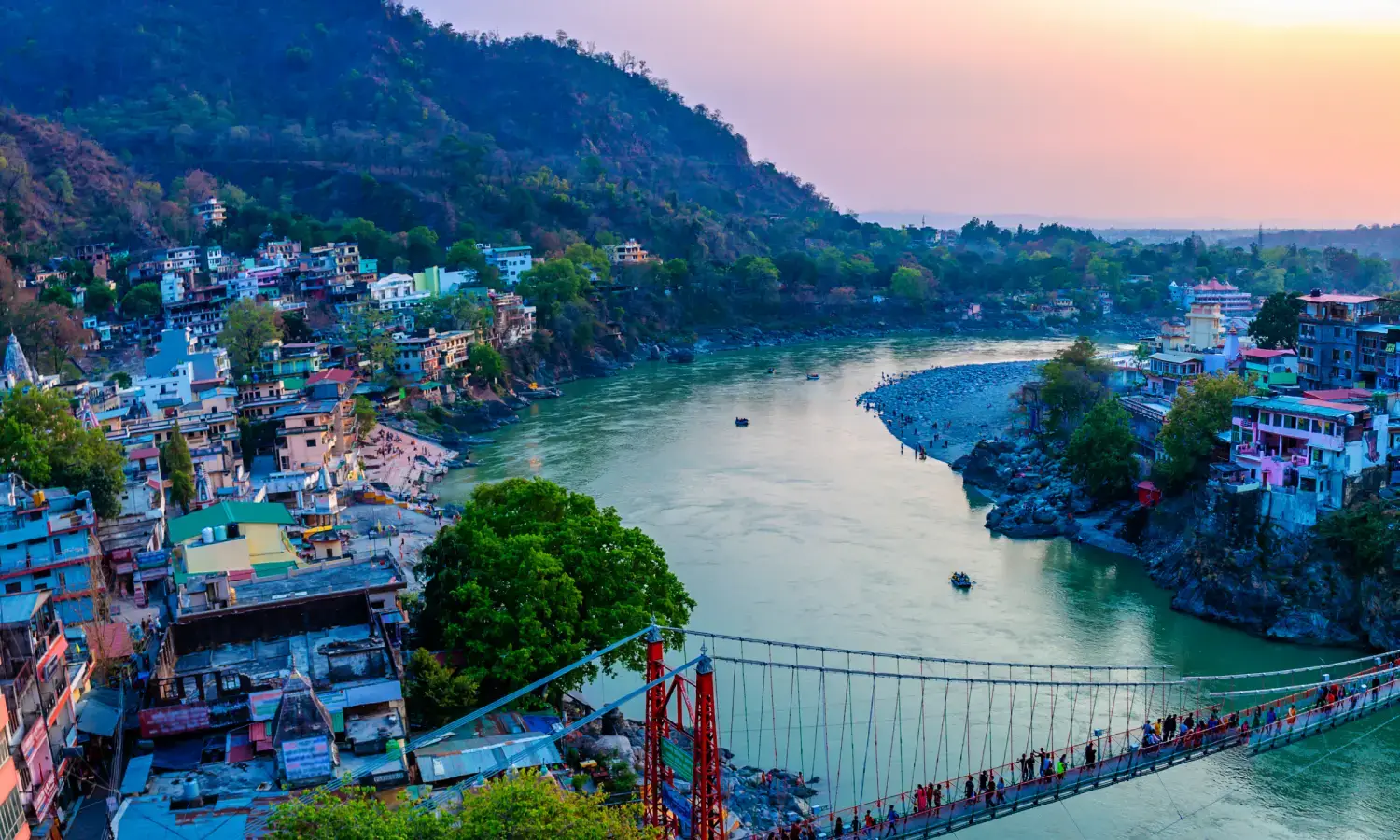
Rishikesh sits at a natural transition point, where the Ganges leaves the Himalayas and the pace of travel softens. On a North India tour, it often functions as a reset rather than a sightseeing-heavy stop.
How time flows here?
Mornings are slow and quiet, afternoons drift by along the river, and evenings end early. The city encourages rest without effort.
Why it belongs?
Rishikesh balances spirituality with nature. It’s ideal for travelers who want calm after busy cities or before heading into the hills.
How to experience it well?
Choose a river-facing stay, keep plans flexible, and avoid trying to fit too many activities into a short visit. Even one or two unstructured days here can restore energy.
Insight: Ideal as a rest or reset stop between high-intensity cities or before mountain travel.
7. Shimla: Easy Mountain Comfort
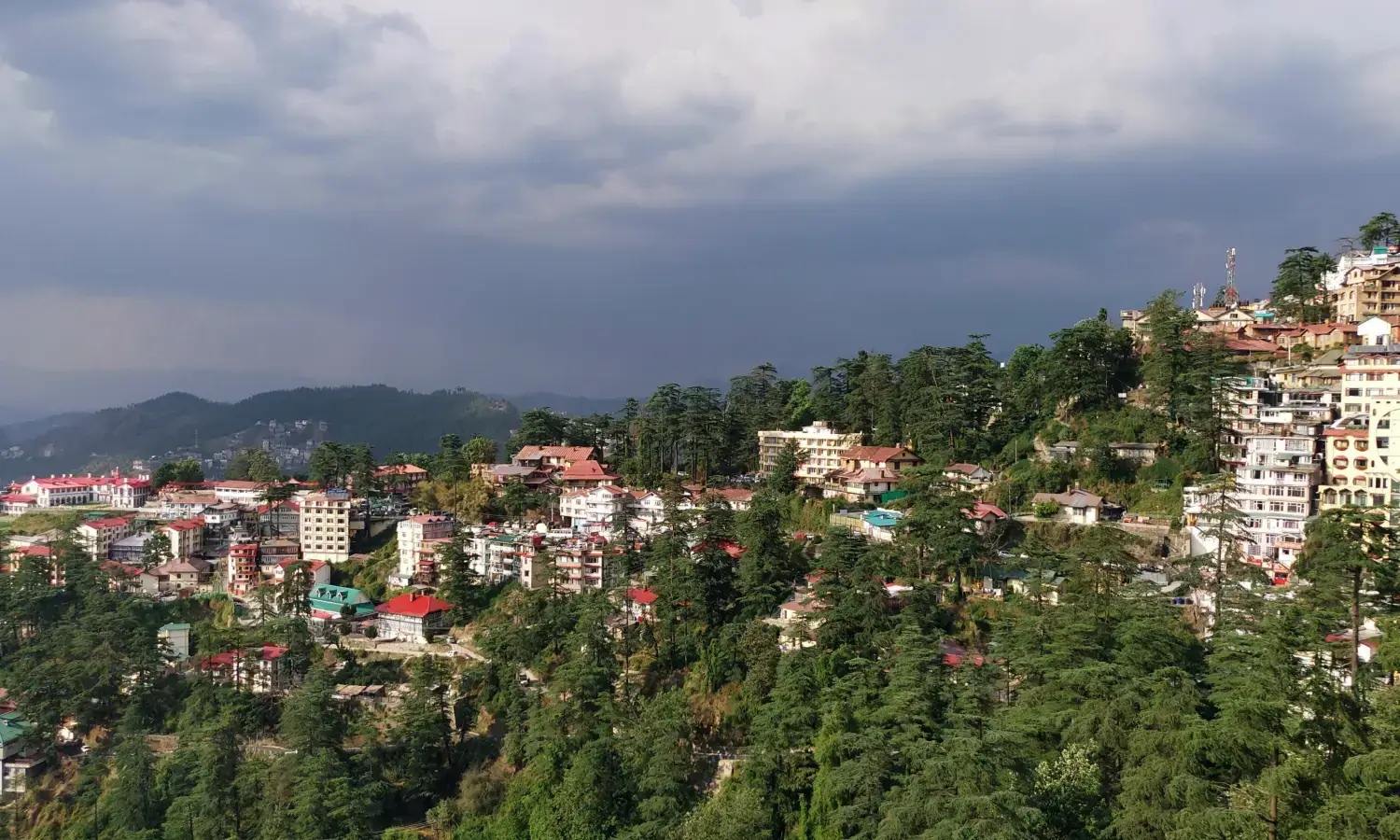
Shimla remains one of North India’s most popular hill stations, valued less for wilderness and more for accessibility and comfort. Its appeal lies in colonial-era architecture, scenic walks, and cooler temperatures.
How time flows here?
Leisurely. Days revolve around walks along the Ridge and Mall Road, with short excursions nearby.
Why it works on certain North India tours?
Shimla suits travelers looking for a gentle mountain experience without long drives or physical exertion.
How to experience it well?
Treat Shimla as a place to slow down rather than sightsee aggressively. Scenic walks and relaxed evenings matter more than ticking off attractions.
Who is it best suited for?
Best suited for families, seniors, and travellers seeking gentle mountain experiences.
8. Dharamshala & McLeod Ganj: Cultural Mountains Over Scenery
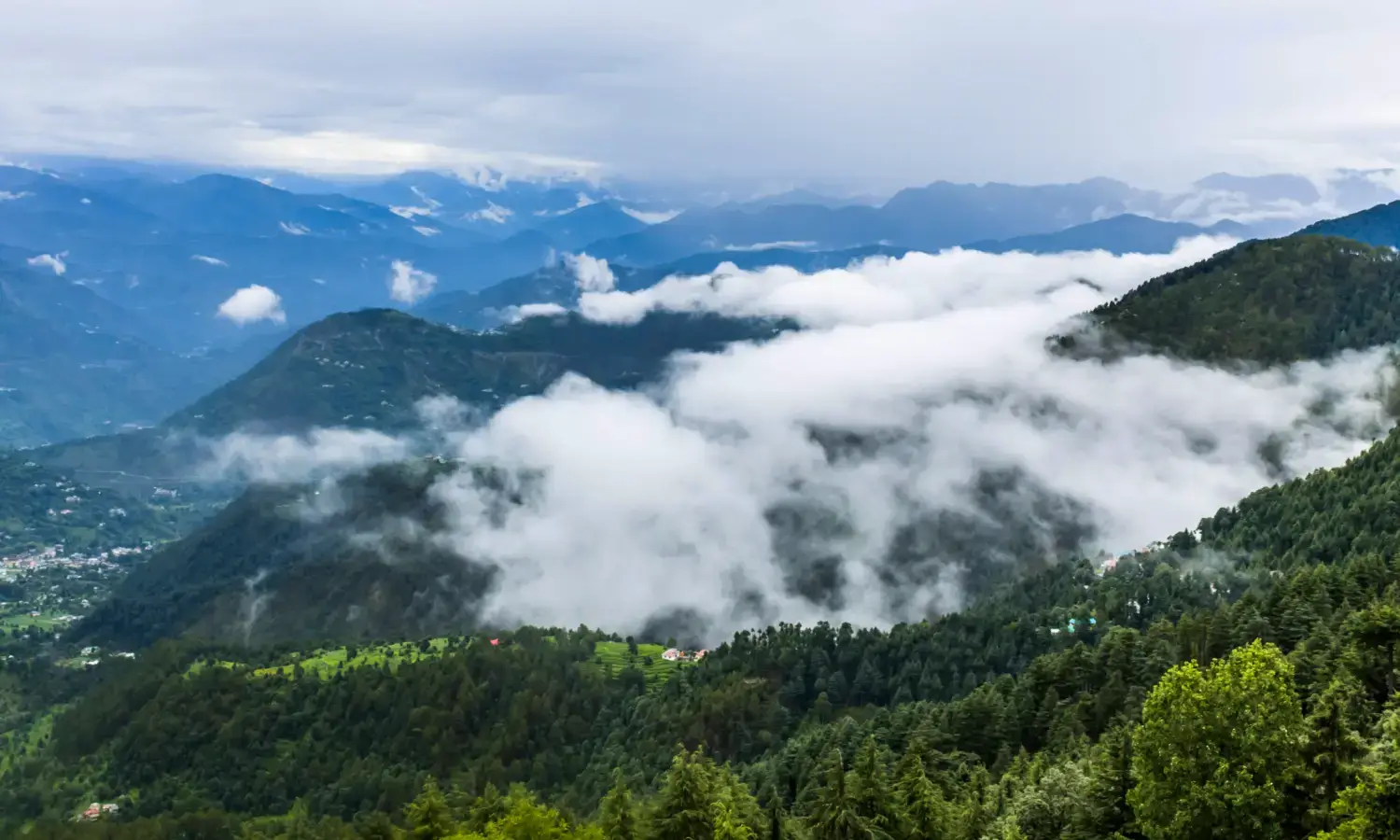
Dharamshala and McLeod Ganj offer a Himalayan experience shaped more by culture and pace than dramatic viewpoints. The presence of the Tibetan community gives the region a calm, international feel that sets it apart from traditional hill stations.
How time flows here?
Days unfold unhurriedly. Mornings are quiet, afternoons drift between cafés and short walks, and evenings often center around monasteries or small viewpoints rather than busy markets.
Why it fits well into a North India tour?
This region works for travelers who want the mountains without rushing through packed sightseeing lists. It adds cultural depth and breathing space after intense cities.
How to experience it well?
Plan at least two nights. Stay close to McLeod Ganj if you enjoy cafés and walking, and keep your schedule light; this destination rewards unplanned time.
9. Leh–Ladakh: Spectacular, but Only with Time
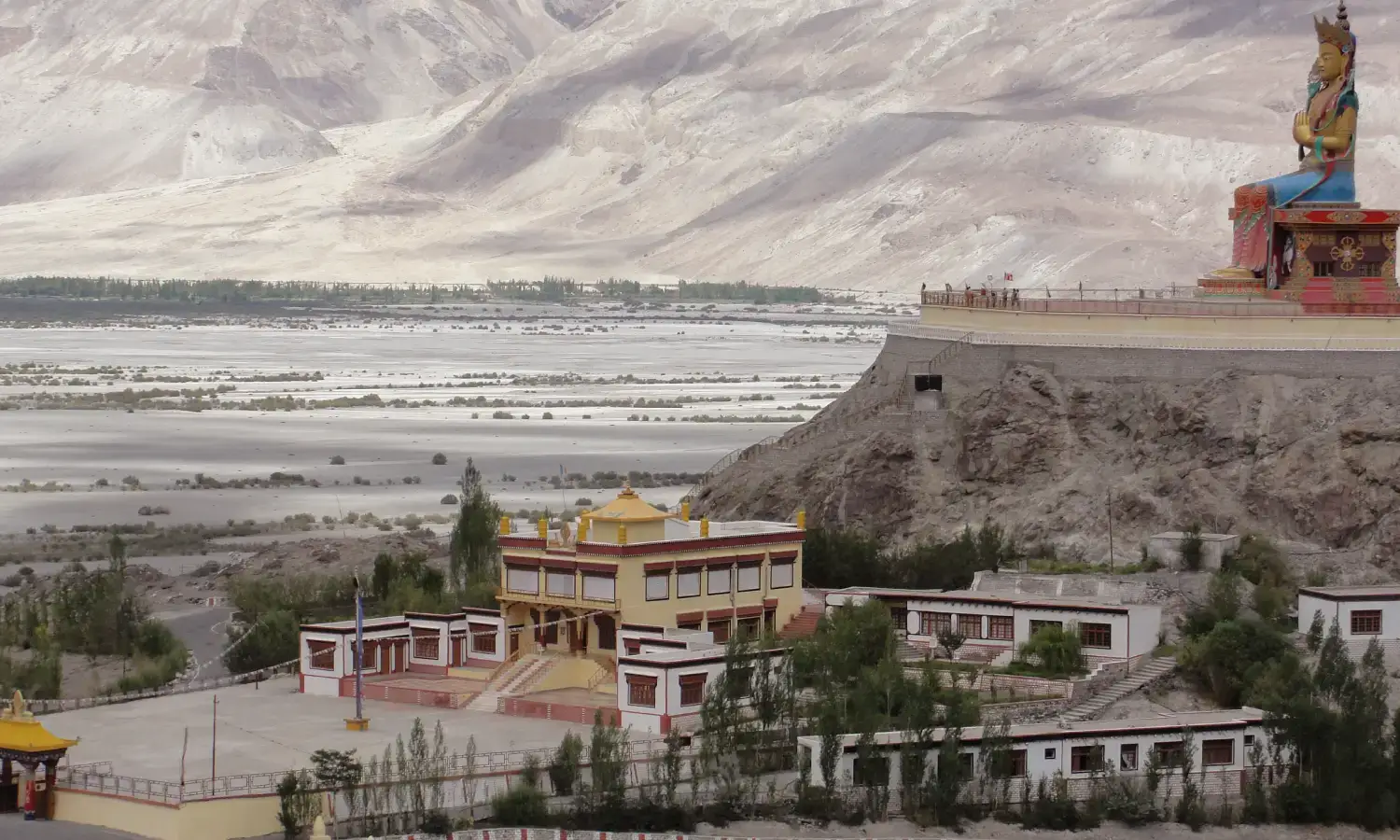
Ladakh is often the most visually striking destination on a North India tour, but it is also the easiest to misplan. High altitude, long distances, and limited infrastructure mean the region operates on its own terms.
How time flows here?
Slowly, whether you intend it or not. Acclimatization, weather, and road conditions dictate the pace.
Why it should be added carefully?
Rushing Ladakh leads to exhaustion and altitude sickness. When given adequate time, however, its monasteries, valleys, and night skies become unforgettable.
How to experience it well?
Add Ladakh only if you have at least 7 dedicated days. It works best as a standalone journey or as the final leg of a longer North India tour, never as a quick add-on.
10. Udaipur: The Natural Wind-Down
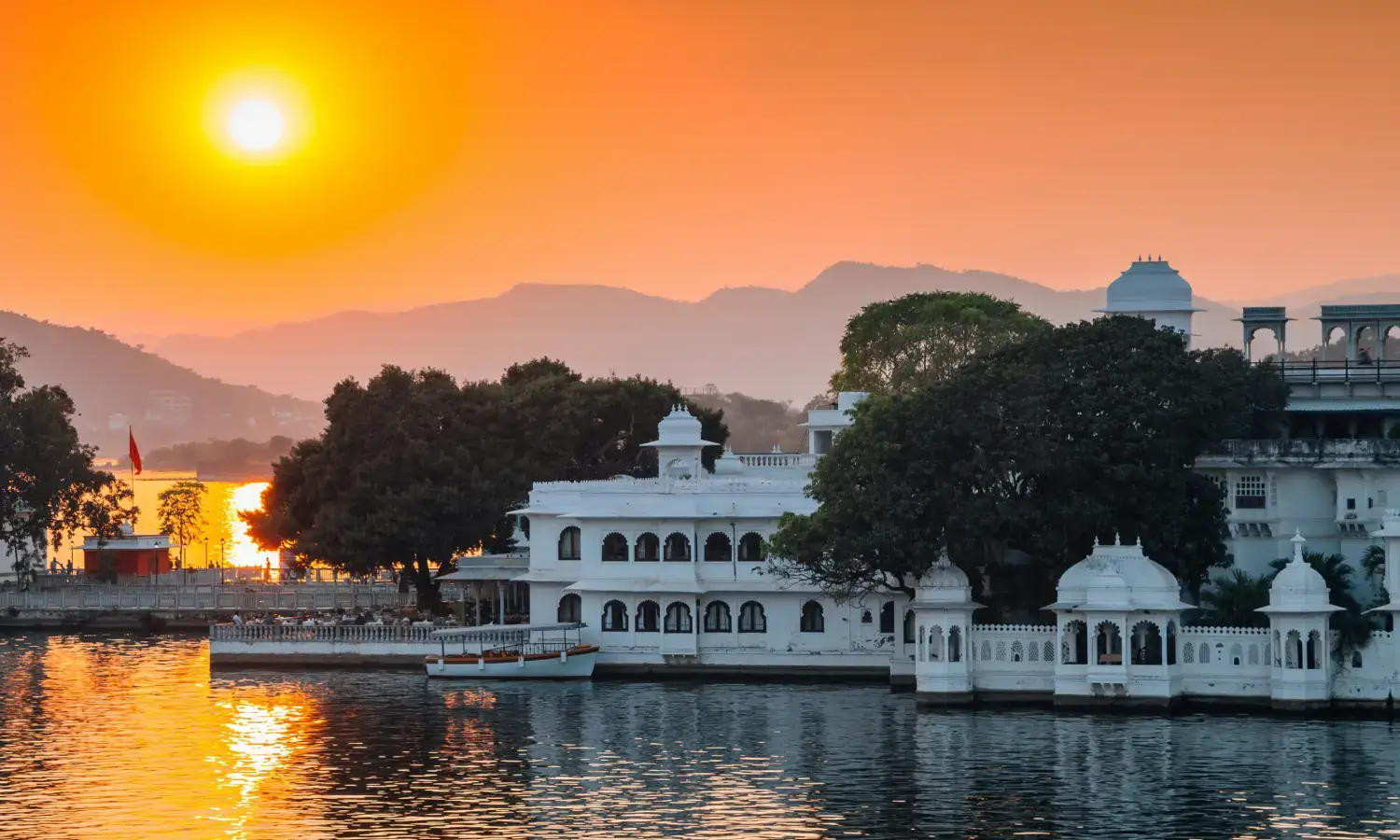
Udaipur feels like a release after the energy of North India’s bigger cities. Lakes, courtyards, and softer light slow everything down, making it one of the most restful stops on the journey.
How time flows here?
Evenings matter more than mornings. Days are unhurried, and sunsets often become the highlight.
Why it completes a North India tour so well?
After long drives, crowded streets, and monument-heavy days, Udaipur allows travelers to absorb the journey rather than rush through it.
How to experience it well?
Choose a lakeside or old-city stay, plan one or two relaxed sightseeing blocks, and leave the rest of the time open. Udaipur rewards stillness more than schedules.
Who is it best suited for?
Works best as a closing destination after busier cities and longer travel days.
Common North India Planning Mistakes to Avoid
- Combining Delhi, Varanasi, and Ladakh in a short trip.
- Treating Agra as a multi-day stay.
- Adding hill stations after Ladakh instead of before acclimatisation.
- Packing back-to-back long drives without rest days.
- Mixing high-intensity cities without a pause destination like Rishikesh or Udaipur
North India rewards intentional sequencing. Removing one destination often improves the entire journey.
A North India trip works best when destinations are chosen with intention and paced realistically. When cities, spiritual centers, mountains, and heritage towns are sequenced thoughtfully, the journey feels balanced rather than exhausting.
If you want help shaping a North India trip itinerary around real travel time, regional flow, and personal travel style, our experts design tour packages that focus as much on what to leave out as on what to include.







 Wildlife Tours
 Trekking Tours
 Religious Tours
 Heritage Tours
 Beach Tours
 Train Tours
 Yoga & Ayurveda Tours
 Festival Tours