Yes, especially for first-time travellers to the mountains in North India.
Top Places to Visit
Manali’s heritage is captured in its wood, stone, and ice. The city’s top tourist places range from ancient architectural wonders to high-altitude natural features that shape Himachal Pradesh’s landscape.
Ancient Places & Spiritual Shrines
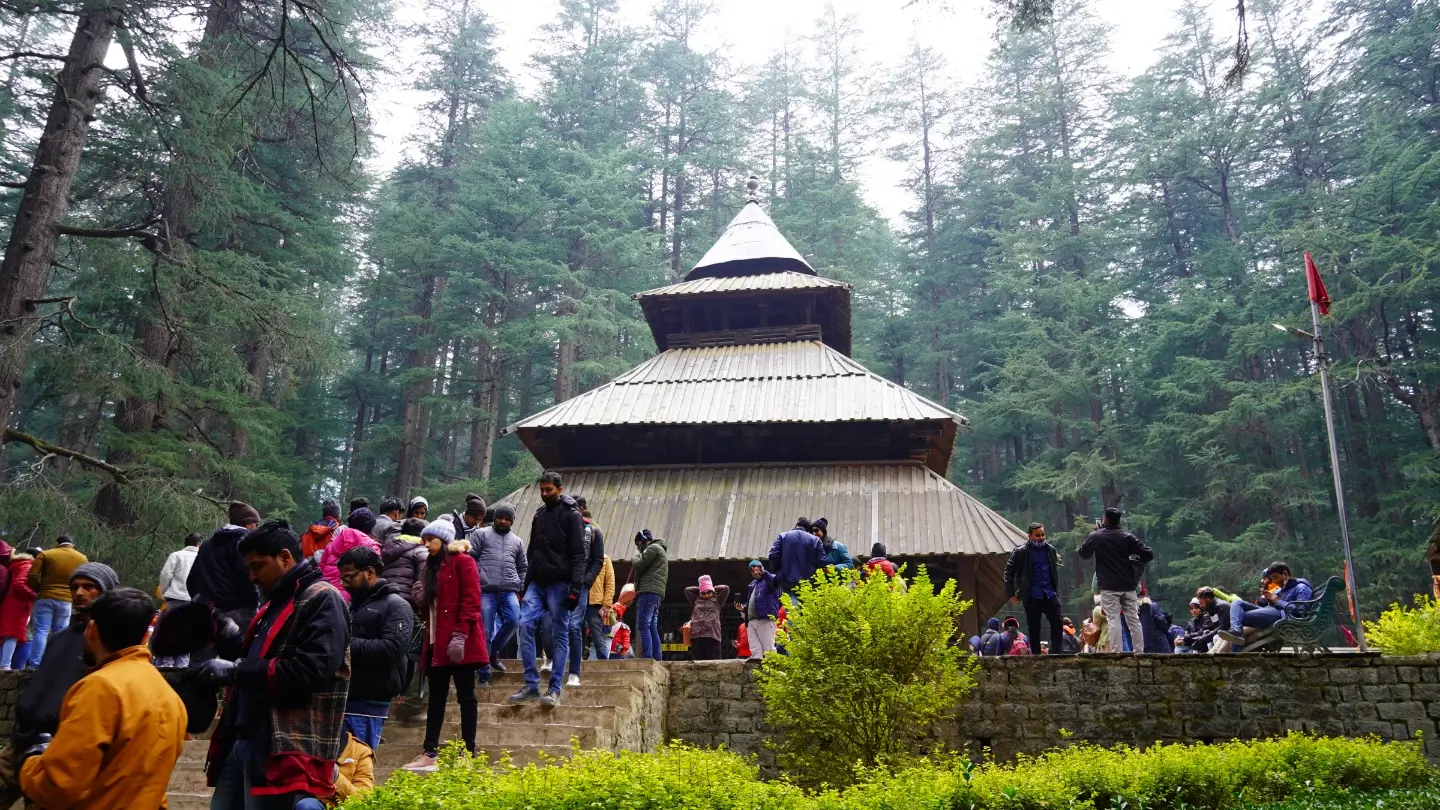
- Hadimba Devi Temple : Tucked away in a dense cedar forest known as Dhungri Van Vihar, this 16th-century wooden temple is dedicated to the goddess Hadimba. Its four-tiered pagoda roof and finely carved doorways showcase the region’s traditional Kath-Kuni architecture. It stands out in any Manali travel guide for its mystical feel.
- Old Manali : Crossing the bridge over the Manaslu River feels like stepping into another world. Old Manali is known for its traditional Himachali homes, vibrant street art, and welcoming atmosphere for backpackers. Here, you can find artisanal jewellery and local textiles.
- Manu Temple : Also in Old Manali, this historic temple is dedicated to Sage Manu, thought to be the creator of humanity. The temple provides a panoramic view of the valley and offers a quiet place to reflect away from the town’s hustle.
Glacial Heights & Alpine Wonders
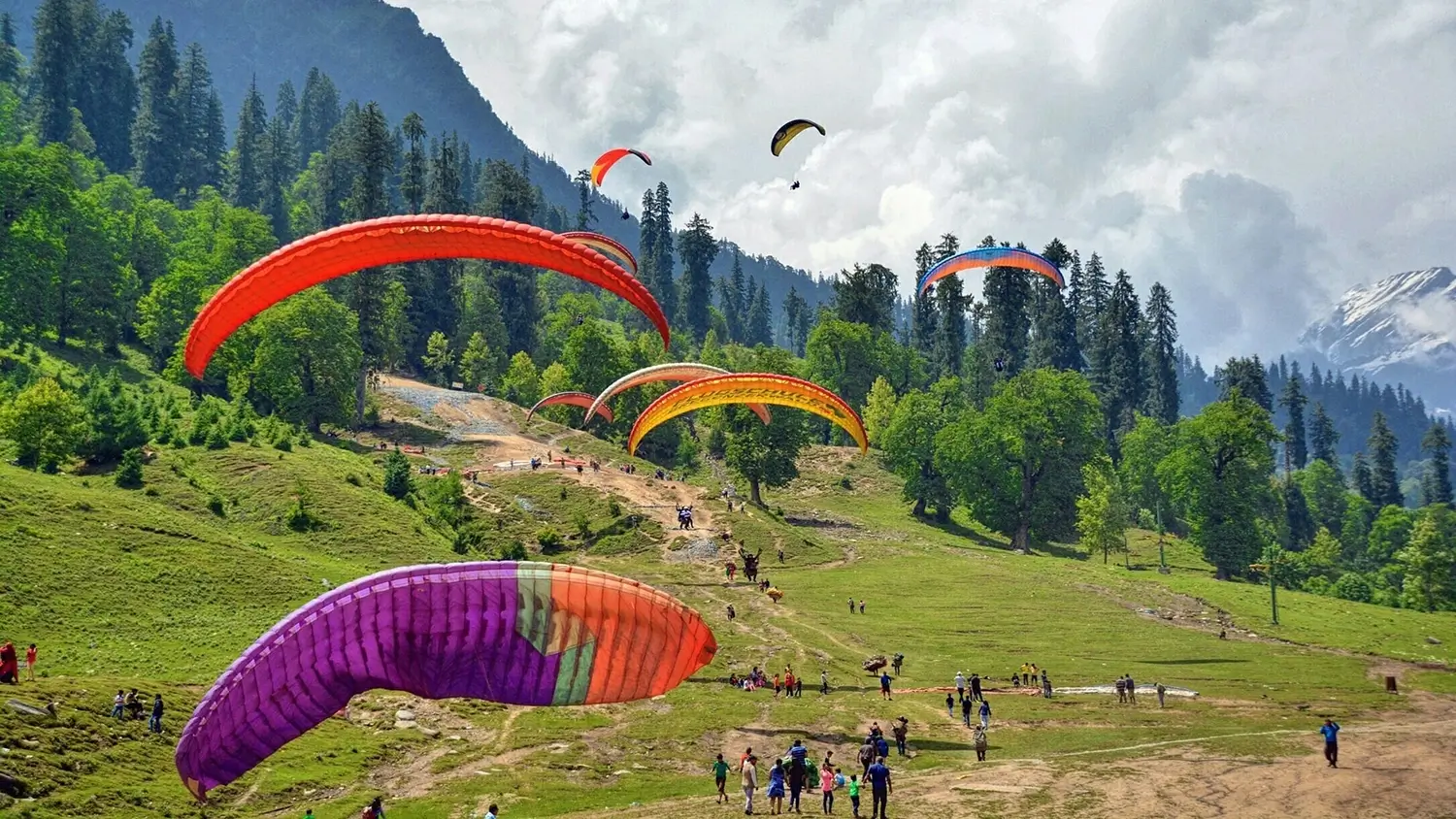
- Solang Valley : Often referred to as the "Snow Valley", this area is the centre for things to do in Manali if you crave adventure. Whether it’s zorbing and paragliding in summer or skiing and snowboarding in winter, it’s one of the best places to visit with family for a day of mountain sports.
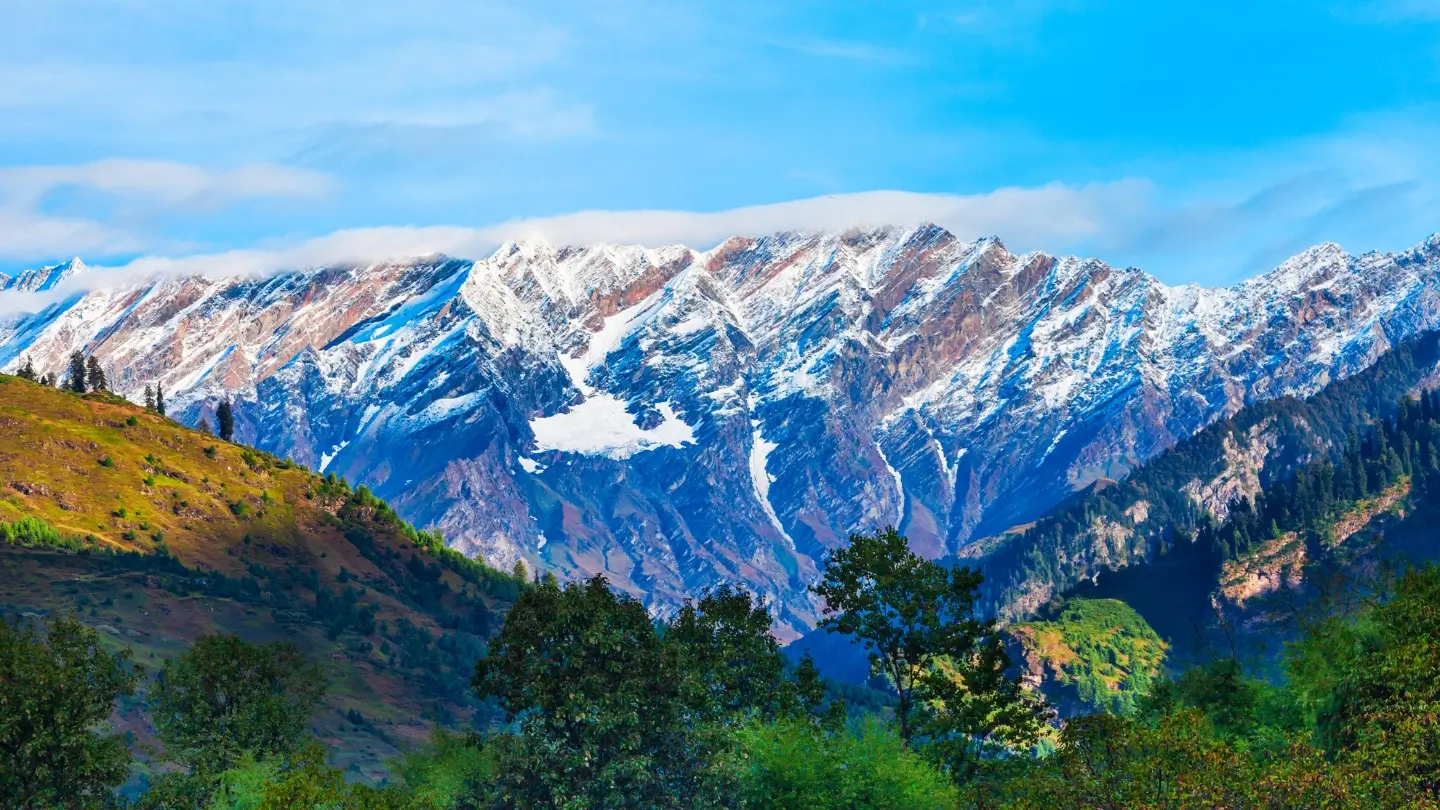
- Rohtang Pass : At 13,050 feet, this pass leads to Lahaul and Spiti. It remains snow-covered for most of the year and offers stunning views of glaciers and mountain summits. Note: A special permit is required to visit Rohtang Pass.
- Atal Tunnel : This engineering feat bypasses Rohtang Pass, offering year-round access. Driving through this 9.02-km tunnel into the stark, rain-shadowed area of Sissu is a highlight of modern Manali tourism.
Tibetan Heritage & Monastic Peace
- Himalayan Nyingmapa Buddhist Monastery : Just a short walk from the busy Mall Road, this place offers a swift escape from city noise to spiritual calm. It is famous for its large, golden-faced statue of Lord Buddha that anchors the main prayer hall. The walls are adorned with bright Thangka paintings and detailed murals that depict the life cycle.
- Gadhan Thekchhokling Gompa : Established in the late 1960s by Tibetan refugees, this monastery is more than a house of worship; it preserves ancient crafts. It features a unique carpet-weaving centre where artisans hand-weave intricate designs, making it one of the most culturally rich places to visit in Manali.
- The Monastery at Aleo : Located on the quieter left bank of the Beas River, this site is often overlooked by mainstream tours, making it ideal for those seeking peace. It serves as a tranquil escape, with architecture reflecting traditional Tibetan styles.
Cultural Preservation & Green Escapes
- Museum of Himachal Culture & Folk Art : Close to the Hadimba Temple, this museum showcases a unique collection of traditional Himachali attire, household items, and models of ancient temples. It offers valuable insight into the nearly lost art forms of the mountain tribes.
- Van Vihar Park : Located right next to Mall Road, this municipal park is shaded by towering Deodar trees. It includes an artificial lake where families can enjoy paddle boating amid lush surroundings, making it one of the top tourist places for a relaxing afternoon.
- Nehru Kund : This natural spring along the Manali-Leh Highway is named after Jawaharlal Nehru. The water comes from Bhrigu Lake and is known for its clarity and refreshing taste, making it a lovely stop for travellers.
Waterfalls, Springs & Serenity
- Jogini Waterfalls : A gentle hike from Vashisht village leads to these flowing falls. The trail passes through apple orchards and pine forests, offering a refreshing break.
- Vashisht Hot Springs : Famous for their healing properties, these natural sulphur springs are part of the Vashisht Temple complex. Soaking in the Turkish-style baths is a traditional way to relax after a long trek.
- Beas River : The heart of the valley, the Beas provides a striking backdrop for the town. The riverside is a favourite spot for trout fishing, stone stacking, and white-water rafting near the Pirdi stretch.
Note : Most travellers benefit from focusing on 4–5 key experiences in Manali rather than attempting to cover every attraction, especially during shorter trips.
Top Things to Do
Adrenaline & Action
- River Rafting in the Beas : Navigating the Grade II and III rapids of the Beas River is an exciting adventure.
- Paragliding at Solang : Gliding above the snow-covered valley gives you a bird’s-eye view of the Himalayas.
- Zorbing and Snow Scooters : Rolling down slopes in a giant transparent ball or speeding across the snow on a scooter in Solang Valley are popular things to do in Manali for thrill-seekers.
- Riverside Camping at Raison : Set up a tent along the Beas River for a night under the stars to create a true wilderness experience.
Cultural & Local Immersion
- Sample Himachali Cuisine : Trying "Siddu", a local steamed bread filled with poppy seeds or lentils and served with ghee, is a must in any Manali travel guide.
- Trekking to Bhrigu Lake : For the fit, this high-altitude trek leads to a sacred lake that never fully freezes, offering fantastic views of the peaks.
- Apple Orchard Tours : Visit the vast orchards in Kullu Valley during harvest season (August to October) to stroll through rows of trees and taste sun-ripened fruit.
- Night Stargazing at Sethan : With minimal light pollution in Sethan village, it is an excellent location for astrophotography and seeing the Milky Way.
Nearby Attractions
- Kasol & Manikaran (75 km) : Known for its Israeli cafes and the hot springs of Manikaran Sahib, it’s a top tourist place for those eager to explore the Parvati Valley.
- Sissu (40 km) : Just across the Atal Tunnel, Sissu showcases the stark beauty of Lahaul, complete with a stunning lake and a significant waterfall.
- Great Himalayan National Park (60 km) : A UNESCO World Heritage Site perfect for ecotourism and spotting rare wildlife.
- Sethan Village (15 km) : A hidden gem for igloo stays in winter and bouldering in summer, offering a unique experience for Manali tourism enthusiasts.
Things to Know Before You Go
- Traffic congestion is common during peak season
- Rohtang Pass requires advance permits
- Weather conditions can change quickly in the mountains
- Altitude may affect some travellers
- Activities like paragliding depend on weather conditions
Best Time to Visit
- Summer (March to June) : This season offers a perfect escape from the sweltering heat of the plains. With temperatures ranging between 10°C and 25°C, the weather remains exceptionally pleasant for sightseeing and outdoor exploration. It is the peak season for those looking to witness the valley in full bloom.
- Winter (October to February) : This is the best time to visit Manali for travellers eager to experience a winter wonderland. The landscape transforms with heavy snowfall, making Solang Valley and Rohtang Pass prime hubs for skiing, snowboarding, and other winter sports.
- Monsoon (July to September) : During this period, the region is draped in vibrant shades of green, offering a refreshing, lush atmosphere. However, travellers should remain cautious, as heavy rainfall can lead to unpredictable road conditions and an increased risk of landslides in the mountains.
How to Reach?
- By Air : Manali doesn't have its own airport, but you can still fly to and from these two main hubs. The Kullu-Bhuntar Airport (KUU), which is about 50 km from the town, is the closest option. Alliance Air flies to this airport from Delhi and Chandigarh regularly. Once you land at Bhuntar, it takes two hours by taxi to get to Manali. Many travellers, on the other hand, fly into the Chandigarh International Airport (IXC) or Delhi (DEL) to get more flight options. From these larger airports, they can take a scenic road trip lasting 6 to 14 hours or an overnight luxury Volvo bus.
- By Train : Since Manali doesn't have its own train station, the best way to get there from Delhi is to take a high-speed train to Chandigarh Railway Station (CDG). The New Delhi-Chandigarh Shatabdi Express and the Vande Bharat Express are two premium trains that can get you from Delhi to Chandigarh in only 3 to 4 hours. You can take a private taxi or a luxury Volvo bus from Chandigarh to Manali. The trip will take 8 to 10 hours.
- By Road : NH-3 makes it easy to reach major cities in North India from Manali. The road trip from Delhi takes about 12 to 14 hours. The best way to do it is on an overnight luxury Volvo bus, which makes the transition from the plains to the mountains smooth.
- Local Transport : Auto-rickshaws are available for short distances. To visit Solang Valley or Rohtang Pass, hiring a local taxi is common. Renting a scooter or a Royal Enfield is a popular way to explore at your own pace.
Why Manali Deserves a Place on Every Himachal Itinerary?
Manali offers one of the most accessible and varied mountain experiences in North India, combining adventure activities, scenic landscapes, and cultural elements within a single destination. It serves as both an introduction to the Himalayas and a base for further exploration into higher regions.
From snow-covered slopes in Solang Valley to quiet walks in Old Manali and drives through the Atal Tunnel into Lahaul, the region provides a mix of experiences that appeal to a wide range of travellers.
Manali works best as part of a Himachal circuit or as a short mountain getaway, offering a balance between accessibility and experience. Plan at least three to five days to explore the region properly and account for travel time and weather conditions.




 Wildlife Tours
 Trekking Tours
 Religious Tours
 Heritage Tours
 Beach Tours
 Train Tours
 Yoga & Ayurveda Tours
 Festival Tours