Yes, if you are open to a raw and immersive cultural experience.
Kashi Vishwanath Temple
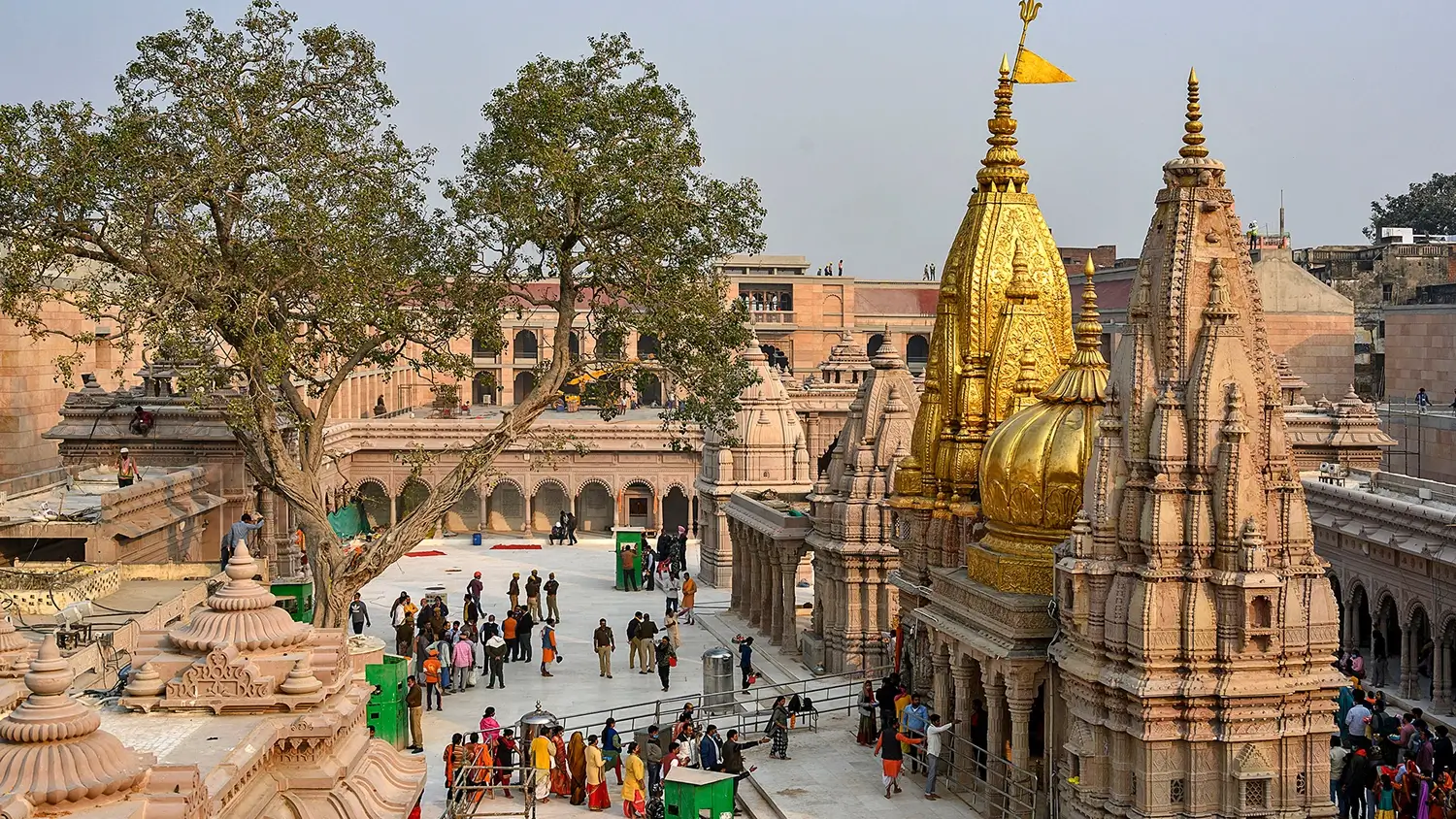
At the heart of Varanasi stands the legendary Kashi Vishwanath Temple, one of the twelve Jyotirlingas in India and the most sacred Shiva temple in the world. Dedicated to Lord Shiva, this golden-spired shrine draws lakhs of devotees every month who come seeking blessings, moksha, and divine connection.
The temple sits within a dense network of ancient lanes in the Old City of Varanasi, surrounded by smaller shrines, flower sellers, and the unmistakable energy of deep faith. The recently developed Kashi Vishwanath Corridor has further enhanced access to the temple while preserving its spiritual character, making it a centrepiece of religious tourism in Varanasi.
The Ghats of Varanasi
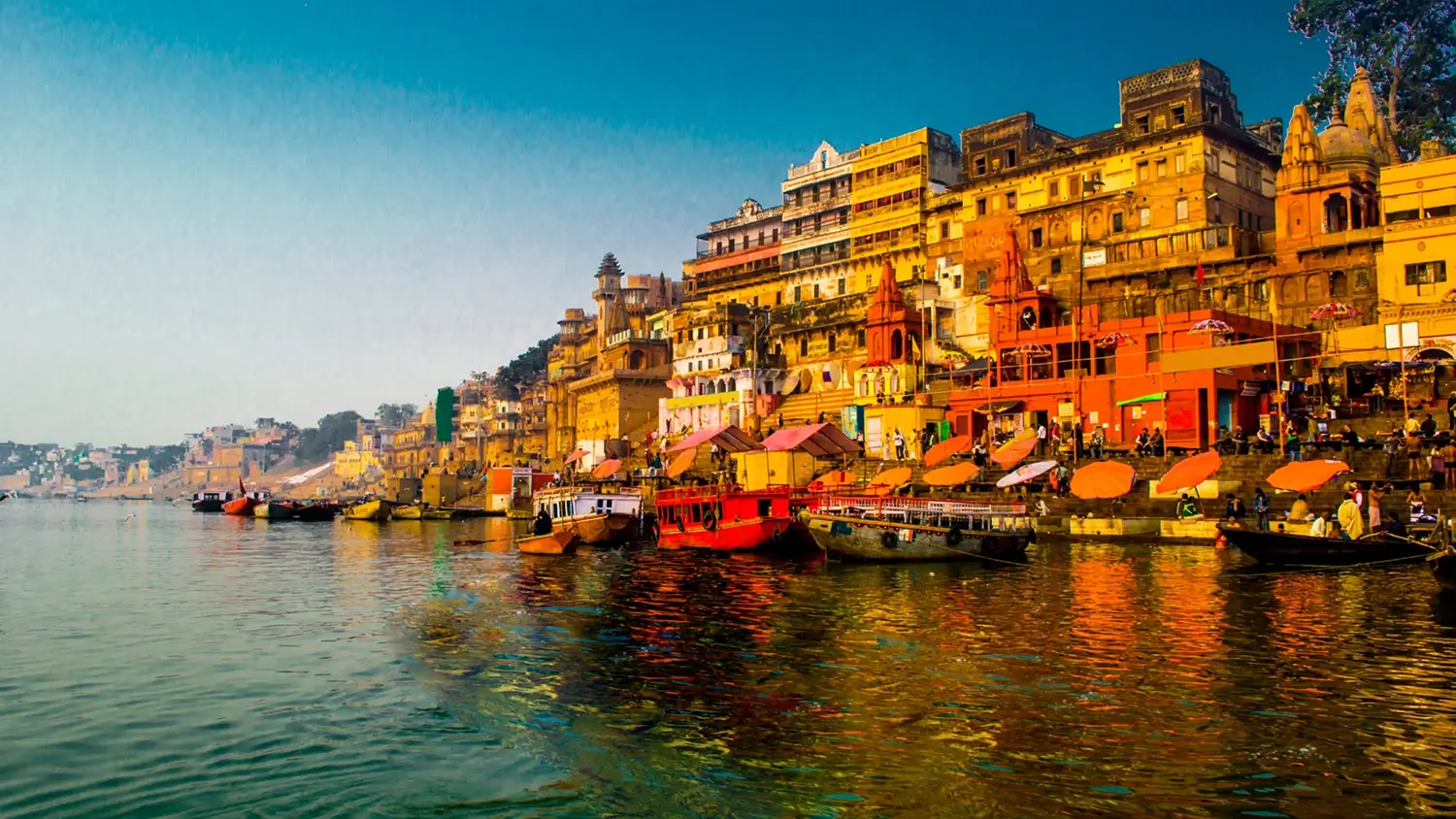
No aspect of Varanasi travel is more iconic than its ghats. Stretching along the banks of the Ganges, is Varanasi home to over 80 ghats, each with its own history and significance. The Dashashwamedh Ghat is the most prominent, where the grand Ganga Aarti is performed every single evening, a breathtaking ritual of fire, chanting, and devotion that draws thousands of spectators nightly.
The Assi Ghat is popular among pilgrims and travellers alike for its calm atmosphere and sunrise boat rides. The Manikarnika Ghat and Harishchandra Ghat are the sacred cremation ghats of Varanasi, where funeral pyres burn around the clock, embodying the city's profound relationship with life, death, and liberation. A sunrise boat ride on the Ganges is widely considered one of the most unforgettable things to do in Varanasi.
Ganga Aarti
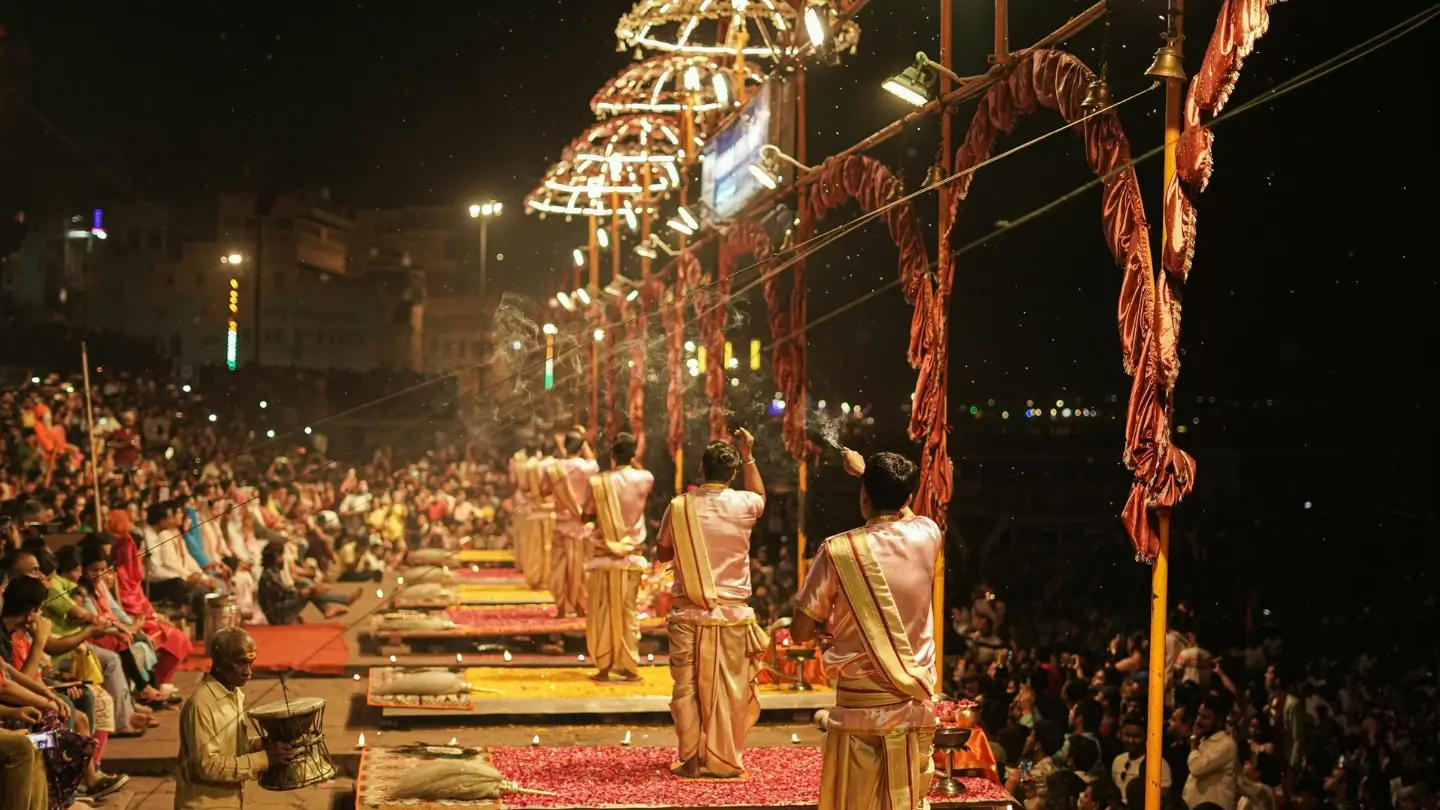
The Ganga Aarti at Dashashwamedh Ghat is one of the most spiritually powerful and visually stunning experiences in all of India. Every evening after sunset, priests perform this elaborate 45-minute ceremony using large brass lamps, incense, flowers, and Vedic chants, all in precise synchrony.
The glow of the diyas reflecting on the dark Ganges, the sound of bells and conch shells, and the dense crowd of devotees create an atmosphere that is impossible to describe and impossible to forget. Attending the evening Ganga Aarti in Varanasi is an absolute essential for every visitor.
Note : Arrive at least 45–60 minutes early to secure a good viewing spot, as the area fills quickly.
Sarnath
Just 10 kilometres from Varanasi lies Sarnath, one of the most important Buddhist pilgrimage sites in the world. It was here that Gautama Buddha delivered his first sermon after attaining enlightenment at Bodh Gaya. The Dhamek Stupa, the Mulagandha Kuti Vihar, and the Sarnath Archaeological Museum, which houses the famous Lion Capital of Ashoka, are all located here. Together, Varanasi and Sarnath form a powerful spiritual circuit that attracts pilgrims from across Asia and the world. Sarnath makes Varanasi unique as a city sacred to both Hinduism and Buddhism.
Banarasi Silk and Shopping in Varanasi
Focus on authentic silk shops rather than tourist-heavy outlets for better quality and pricing. Varanasi has been a centre of textile craftsmanship for centuries, and Banarasi silk sarees remain among the most prized fabrics in India. Woven with intricate patterns in real gold and silver zari thread, these sarees are an essential purchase for anyone visiting the city.
The lanes behind the ghats and the Vishwanath Gali market area are filled with silk weaving workshops and shops where you can witness artisans at work and buy directly. Banarasi silk shopping is one of the most popular and rewarding experiences in Varanasi tourism.
Culture, Music and the Arts
Beyond spirituality, Varanasi is a major centre for classical music, philosophy, and traditional arts. It has nurtured some of the greatest names in Indian classical music and arts, including sitar maestro Ravi Shankar and shehnai legend Ustad Bismillah Khan, both of whom are deeply associated with this city.
The Banaras Hindu University, one of India's largest and most respected universities, is also located here, adding an intellectual and academic dimension to the city's identity. Varanasi has been a living centre of Sanskrit, yoga, Hindustani classical music, and Indian philosophy for millennia.
Things to Know Before You Go
- Varanasi can feel overwhelming due to crowds and narrow lanes
- Walking is often faster than vehicles in the old city
- Early mornings offer the most peaceful experience
- Hygiene standards vary across areas
How to Reach?
- By Air : The Lal Bahadur Shastri International Airport in Babatpur is approximately 26 kilometres from the city centre, with direct flights from Delhi, Mumbai, Bengaluru, and several other major cities.
- By Train : Varanasi Junction and Manduadih Railway Station are both well connected to the Indian rail network, with trains arriving from Delhi, Kolkata, Mumbai, and across the country.
- By Road : Varanasi is well connected by national highways and is approximately 320 kilometres from Lucknow and 780 kilometres from Delhi, easily reachable by bus or private car.
Best Time to Visit
The best time to visit Varanasi is from October to March, when the weather is cool and comfortable, making it ideal for ghat walks, temple visits, boat rides, and outdoor exploration. The Dev Deepawali festival in November, when the entire ghat is illuminated with hundreds of thousands of lamps, is among the most spectacular events in the entire country.
Maha Shivratri in February or March is another unmissable occasion that fills the city with extraordinary religious energy. Summers in Varanasi can be intensely hot, while the monsoon season brings heavy rains but also a lush, dramatic atmosphere along the river.
Winter months offer the best balance of comfort and cultural events, especially for first-time visitors.
Why Varanasi Must Be on Every Traveler's List
Varanasi is a destination you experience deeply. It challenges expectations, demands patience, and rewards curiosity. When approached with the right mindset and placed thoughtfully within an itinerary, it becomes one of the most powerful and memorable stops in India.




 Wildlife Tours
 Trekking Tours
 Religious Tours
 Heritage Tours
 Beach Tours
 Train Tours
 Yoga & Ayurveda Tours
 Festival Tours